Never Too Late to Hit the Ice: The Adult Beginner's Honest Guide to Getting Started
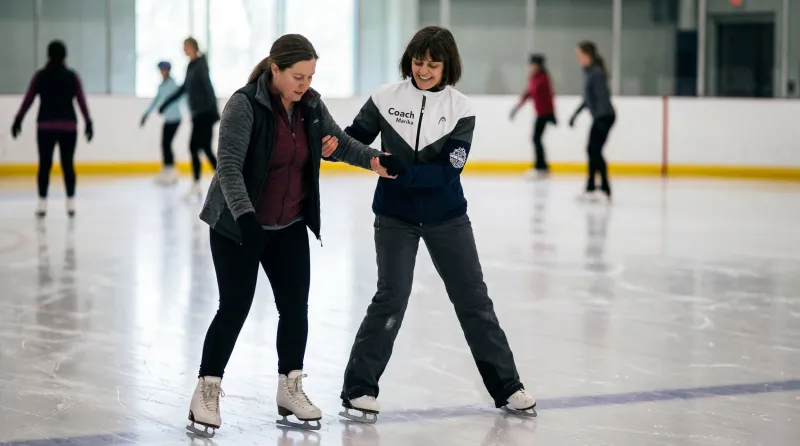
Photo: adult beginner ice skating lesson group rink smiling, via images.squarespace-cdn.com
Let's be honest about something right away: the biggest obstacle between most adults and ice skating isn't balance, coordination, or athletic ability. It's the fear of looking silly. The mental image of flailing around while twelve-year-olds glide effortlessly past you is enough to keep a lot of people on the sidelines forever.
Here's what those people are missing: every single person you see skating confidently at your local rink — every smooth crossover, every backwards glide, every graceful spin — started exactly where you are right now. Standing at the boards, holding on for dear life, wondering what on earth they signed up for.
At The Golden Triangle Ice, we hear from adult beginners constantly. And the message we keep passing along is simple: the ice community is more welcoming than you think, the learning curve is more manageable than you expect, and the payoff — in fitness, fun, and friendships — is completely worth the initial awkwardness. Here's everything you need to know to get started.
Finding the Right Rink for a First-Timer
Not all rinks are equally beginner-friendly, and doing a little homework before you show up can make a massive difference in your first experience. When you're searching for a venue, look specifically for facilities that offer Adult Learn to Skate programs. These are different from general public skating sessions — they're structured group lessons specifically designed for people who are starting from scratch, and they're typically full of other adults in exactly the same boat.
The US Figure Skating organization's Basic Skills program and USA Hockey's Learn to Play program are both widely available at rinks across the country and offer age-appropriate beginner instruction. Many local rinks also run their own adult-specific programs that aren't affiliated with national organizations but are equally effective.
When you call or visit a rink, don't be shy about asking questions:
- Do you offer adult beginner lessons separate from kids' programs?
- What's the average age range in your adult learn-to-skate classes?
- Does the lesson fee include skate rental?
- How many students are typically in each session?
A rink that's genuinely welcoming to adult beginners will be happy to answer all of these without making you feel like an inconvenience.
What Your First Lesson Actually Looks Like
Expectations matter here. Your first lesson is not going to look like the Olympics. It's probably not going to look particularly graceful at all, and that's completely fine — it's also not going to look like the disaster your brain is imagining.
Most beginner adult sessions start with the basics: how to fall safely (yes, they teach you this on purpose, and yes, it's incredibly useful), how to get back up, how to march in place on the ice to find your footing, and how to glide with two feet. It sounds almost comically simple, but nailing these fundamentals is what separates people who progress quickly from people who stay wobbly indefinitely.
Instructors who work with adult beginners are generally fantastic at reading the room. They know that adults learn differently than kids — more analytical, more self-conscious, more likely to overthink — and good coaches adjust their teaching style accordingly. You'll get explanations, not just demonstrations.
"Adults actually pick up the technical concepts faster than kids in a lot of ways," says one skating instructor who teaches adult beginners at a community rink in Ohio. "They understand why something works, which helps them replicate it. The main thing is just getting them to relax and trust the process."
Plan to commit to at least four to six sessions before you judge your progress. The first couple of classes are mostly about getting comfortable being on the ice. By weeks three and four, you'll start to feel actual improvement — and that feeling is genuinely addictive.
Gear: What You Actually Need (And What Can Wait)
For your very first time on the ice, rent skates at the rink. Full stop. Don't buy anything yet. Rental skates have gotten significantly better at most facilities over the past decade, and they'll tell you a lot about what kind of skating you actually want to pursue before you spend real money.
Once you've decided you're sticking with it — and most people do — here's a basic gear breakdown:
Ice Skates: Your single most important investment. For figure skating, look at entry-level boots from brands like Jackson, Riedell, or Graf. For hockey, Bauer and CCM both make excellent beginner options. Budget roughly $100–$250 for a solid starter pair. Avoid department store skates — they look like the real thing but provide almost none of the support your ankles actually need.
Helmet: Non-negotiable for hockey, and strongly recommended for beginners in any discipline. A standard hockey helmet works fine. Some adult learn-to-skate programs actually require helmets for beginners.
Gloves: Your hands will hit the ice when you fall. Wear gloves. Basic athletic gloves work; hockey gloves are better.
Clothing: Layers you can move in. Avoid jeans — they're restrictive when wet and heavy when cold. Athletic pants or leggings work great. Rinks are cold but you'll warm up quickly once you're moving.
That's genuinely all you need to start. Don't let gear become a barrier or an excuse.
Real People, Real Stories
Tamara, 41, picked up ice skating two years ago after her daughter joined a learn-to-skate program. "I started just to have something to do during practice, and now I'm in an adult skating club and compete in adult recreational divisions. I never in a million years saw that coming."
Marcus, 38, started playing recreational ice hockey at 35 after years of watching the game from the couch. "The adult beginner hockey programs are incredible. Everyone's at the same level, nobody's judging you, and the social aspect — the team dinners, the post-game stuff — it's become a huge part of my life."
These aren't exceptional people with hidden athletic gifts. They're regular adults who decided to try something new and found a community waiting for them.
The Community Factor Nobody Tells You About
Here's the thing about rinks that doesn't show up in any lesson description or gear guide: they're genuinely some of the friendliest, most inclusive spaces in American recreational sports. Adult beginner classes have a built-in camaraderie because everyone is equally out of their comfort zone. People cheer each other on. They laugh at their own falls. They swap tips and celebrate small victories together.
Many rinks host adult skating socials, beginner hockey pickup sessions, and community events specifically designed to help newer skaters feel connected. Once you're in, you're in — and the friendships formed at the rink boards tend to stick.
So if you've been sitting on the idea of trying ice skating or hockey, consider this your nudge. Find a rink near you, look up their adult beginner schedule, and show up. The ice doesn't care how old you are. Neither does the community waiting there for you.