Cold Roots, Hot Competition: The Three US Ice Skating Powerhouses You Need to Know
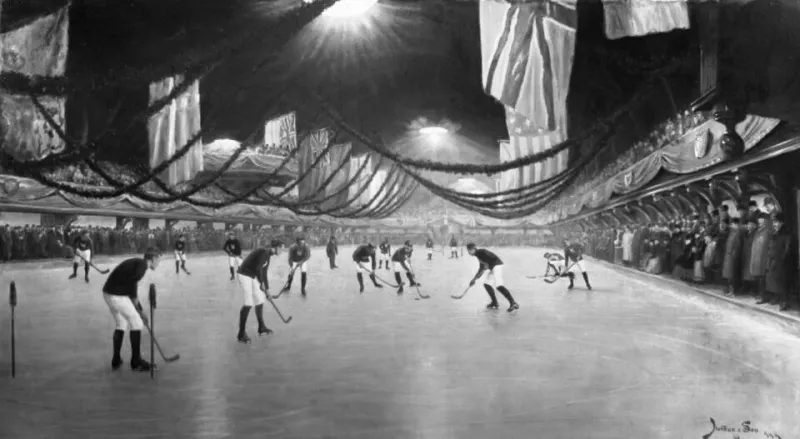
Photo: William Notman & Son, Public domain, via Wikimedia Commons
Ask any serious figure skater or hockey player where the sport lives in America, and they'll point you in three directions: northeast, north-central, and west. These regions aren't just home to more rinks — they've built entire ecosystems around ice sports, from youth development programs to world-class training facilities to communities that genuinely live for game nights and competition weekends. If you've ever wondered why certain zip codes produce a disproportionate share of Olympians and championship teams, the answer isn't luck. It's geography, history, and a whole lot of cold-weather culture.
Here at The Golden Triangle Ice, we spent time talking to rink operators, coaches, and lifelong skaters across all three regions to get the real story. What we found was that each hub has its own distinct personality — and together, they form the backbone of American ice sports.
The Northeast Corridor: Where Ice Skating History Was Made
If American ice sports had a birthplace, it would be somewhere between Boston and Philadelphia. The Northeast corridor — stretching from Maine down through New York, New Jersey, and into Pennsylvania — has been producing elite skaters and hockey players since the sport arrived in North America in the late 1800s. Cities like Boston, Hartford, and Pittsburgh didn't just build rinks; they built traditions.
"There's a generational quality to skating here," says Margaret Holloway, who has managed a community rink in suburban Connecticut for over two decades. "I have kids coming through our learn-to-skate program whose grandparents learned to skate in this exact building. That doesn't happen everywhere."
The density of facilities in this region is staggering. Greater Boston alone boasts dozens of sheet-ice venues within a reasonable drive, and youth hockey associations in states like Massachusetts and New York consistently rank among the most competitive in the country. Figure skating clubs with century-long histories operate out of rinks in New England, and the US Figure Skating Championships have returned to this region repeatedly — Boston's TD Garden hosted the event as recently as the 2020s.
The weather plays a role, too. Long, cold winters mean that outdoor skating on frozen ponds and lakes isn't just nostalgic folklore — it's still a genuine gateway to the sport for many kids. That natural on-ramp feeds directly into the indoor competitive pipeline.
The Upper Midwest: The Heart of American Hockey Country
Drive through Minnesota in January and you'll understand immediately. Hockey rinks outnumber fast-food restaurants in some parts of the state, and kids who can barely walk are already being fitted for their first pair of skates. The Upper Midwest — anchored by Minnesota but extending into Wisconsin, Michigan, and the Dakotas — is arguably the most hockey-obsessed stretch of real estate in the entire United States.
Minnesota alone has more registered hockey players per capita than almost any other state in the nation, and the state's high school hockey tournament is a cultural institution that fills arenas and stops traffic every February. But it's not just about hockey. The region's figure skating community is equally serious, with training centers in the Twin Cities area that have produced multiple national champions and Olympic team members.
"The culture here is different," explains Darin Kowalczyk, a skating director at a multi-sheet facility in suburban Minneapolis. "Parents aren't just dropping kids off for practice. They're invested. They're at every session, they know the scoring systems, they understand the technical elements. That level of community engagement pushes kids further, faster."
The infrastructure investment in this region is remarkable. Many small and mid-sized Midwest cities have publicly funded ice arenas that would be the envy of much larger metros elsewhere in the country. It reflects a collective understanding that ice sports aren't a luxury — they're community infrastructure, like libraries or parks.
The cold climate helps, obviously. But coaches in the region are quick to point out that it's really the attitude toward winter that sets the Midwest apart. Rather than enduring the cold, people here lean into it. Ice sports are a celebration of the season, not a workaround for it.
The West Coast: The Rising Powerhouse That Rewrote the Rules
This one surprises people. California? Oregon? Washington? These aren't exactly states you associate with blizzards and frozen ponds. But the West Coast has quietly become one of the most dynamic ice sports regions in the country — and it's done it almost entirely through indoor facilities, elite coaching imports, and a training culture that prioritizes year-round development.
Southern California in particular has become a hub for figure skating at the highest levels. The area around Los Angeles and Orange County hosts multiple world-class training centers that attract skaters from across the globe. Champions from countries as far-flung as Japan and Russia have trained in California rinks because the facilities, the coaching talent, and the competitive environment are simply that good.
"We don't have the natural cold, so we built something better," says coach and former competitive skater Renee Fujimoto, who runs a skating school out of a facility in the greater LA area. "Our rinks are pristine, our ice quality is controlled perfectly, and because we're not seasonal — people aren't thinking about winter ending — we can push training schedules that other regions can't match."
The Pacific Northwest has its own ice sports identity, with a strong hockey culture in cities like Seattle and Portland that's grown significantly over the past decade. The NHL's Seattle Kraken, who debuted in 2021, have already had a measurable impact on youth hockey participation rates across Washington state.
What Ties the Triangle Together
Despite their differences, these three regions share some critical commonalities. Each has a dense network of rinks that makes access relatively easy. Each has invested heavily in coaching infrastructure and youth development pipelines. And each has a community culture that treats ice sports as something worth caring about — not just a niche hobby, but a legitimate athletic pursuit with real pathways to excellence.
For rink operators, coaches, and community organizers across the country, these three hubs offer something else: a model. The lessons from Minnesota's public investment in ice facilities, New England's generational skating traditions, and California's year-round training mentality can be applied anywhere someone is trying to build or grow an ice sports community.
The golden triangle of American ice skating didn't happen by accident. It happened because people in these regions decided that ice sports mattered — and then built the infrastructure to prove it. Whether you're a competitive skater, a weekend recreational player, or someone just thinking about lacing up for the first time, knowing where the sport's roots run deepest can help you understand what a truly thriving ice community looks like.
And maybe, just maybe, it'll inspire you to help build one where you live.