The Lifers: How Decades-Long Skaters Are Quietly Becoming the Soul of America's Ice Rinks
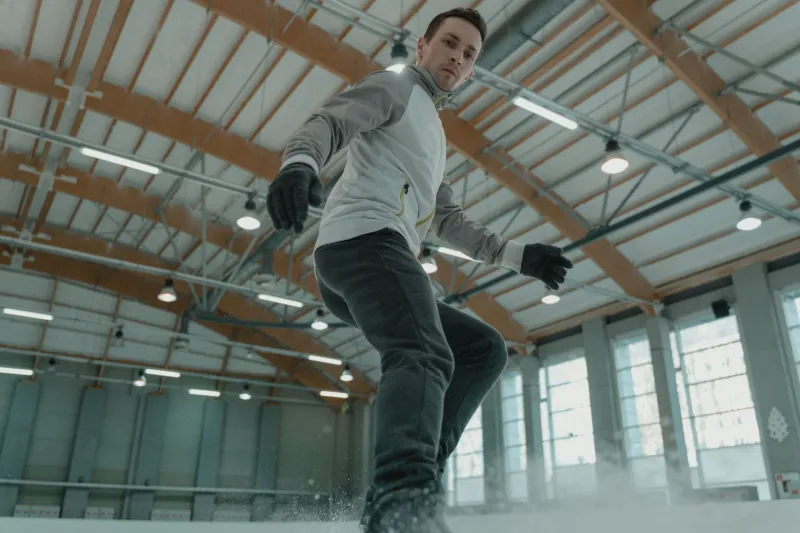
Walk into almost any ice rink in America on a weekday morning and you'll spot them. They're not the beginners wobbling near the boards. They're not the hockey kids in full gear arguing over a disputed goal. They're the ones gliding with that particular kind of ease that only comes from doing something for twenty, thirty, sometimes forty years — the skaters who, in rink shorthand, simply never left.
At facilities from Minneapolis to Memphis, these longtime regulars have quietly become something far more valuable than casual customers. They're mentors, institutional memory, unofficial ambassadors, and — according to a growing number of rink managers — an economic and social asset that almost nobody talks about until it's gone.
More Than Just Regulars
There's a difference between someone who skates a lot and someone who has been there — and rink staff will tell you they know it the moment they see it. These are the people who remember when the boards were replaced, who trained under coaches who have since retired, who can tell you exactly how the ice behaves on a humid afternoon in July versus a dry January morning.
Denver-based rink manager Carla Hutchins has worked at the same facility for sixteen years and says she's watched a handful of skaters outlast multiple facility directors, coaching staffs, and even a full renovation. "There's this one woman — she's been coming here since 1987," Hutchins says. "She knows more about how this building operates than half my employees. When we had that weird refrigeration issue last winter, she was the one who remembered it had happened once before, back in 2003. That kind of knowledge is genuinely irreplaceable."
That's not an isolated story. Across the country, these skaters — sometimes called "rink rats" with affection, sometimes just "the regulars" — have accumulated a kind of social capital that no onboarding document or staff training manual can replicate.
The Mentorship Nobody Pays For
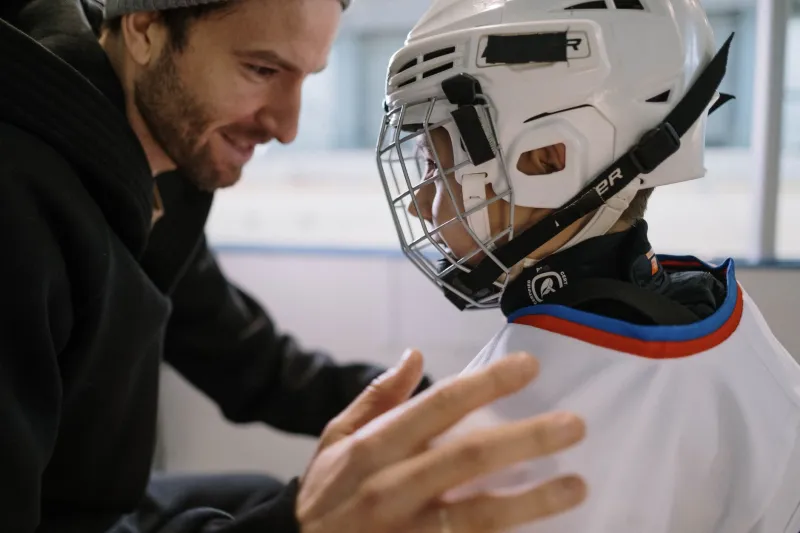
One of the most underappreciated contributions these lifers make is informal mentorship. Not the kind that gets a line item in a program budget — the kind that happens at the boards between sessions, in the locker room, or during open skate when a nervous twelve-year-old is trying to land a jump and a sixty-year-old former competitive skater happens to wander over with a quiet tip.
In many rinks, this kind of peer-to-peer knowledge transfer is the first contact younger skaters have with serious technique. It's low-pressure, it's free, and it often sparks the kind of genuine enthusiasm that paid beginner lessons sometimes can't quite manufacture.
Rick Baumann, 58, has been skating at the same Ohio rink since he was nine years old. He's not a coach. He doesn't hold any official title. But ask any of the teenagers in the Tuesday evening freestyle session and they'll tell you he's the first person they go to when something isn't clicking. "I just like helping," he says with a shrug. "I've made every mistake you can make on the ice. Might as well be useful about it."
Facility managers are starting to recognize this dynamic more formally. Some rinks have begun creating loose "ambassador" programs that acknowledge longtime regulars and give them small roles — greeting new skaters, helping with orientation sessions, or simply being identified as friendly faces for newcomers. It costs almost nothing and pays dividends in community cohesion.
The Economic Angle Nobody's Talking About
Here's the part that surprises most people: these skaters are serious revenue contributors, and not just through their own admission fees.
Consider the ripple effect. A lifer who has skated at the same rink for twenty-five years has likely referred dozens of friends, enrolled their kids in lessons, bought equipment from the pro shop, and attended more fundraisers and events than they can count. They show up in bad weather when casual skaters don't. They renew memberships without being chased down. They buy coffee at the snack bar and stay for hours.
More subtly, their presence signals legitimacy to newcomers. When a first-time visitor sees someone who clearly knows what they're doing — someone who belongs — it communicates that this is a place worth investing time in. That social proof is difficult to manufacture and impossible to buy.
"The regulars are essentially walking advertisements," says Hutchins. "Every new family that walks in and sees a multigenerational group of people who clearly love being here — that sells the rink better than any flyer we've ever printed."
When the Lifers Leave
Of course, nothing lasts forever. And one of the harder conversations happening at rinks across the country right now involves what happens when these community pillars eventually move on — whether that's due to injury, relocation, age, or simply life moving in a different direction.
The loss isn't just sentimental. It's structural. When a lifer leaves, they take with them years of informal relationships, mentorship threads, and institutional knowledge. New skaters who were quietly being guided by that person suddenly find themselves without a compass. Younger regulars who were just starting to build their own roots lose a model for what long-term commitment to a rink looks like.
Some facilities have started thinking more deliberately about succession — not in a corporate sense, but in terms of consciously identifying and nurturing the next generation of deeply committed community members before the current ones step away. It's a soft skill, but it matters enormously.
Baumann, for his part, thinks about it sometimes. "I'm not going anywhere anytime soon," he laughs. "But I do think about who's going to be the person the kids talk to when I'm not around anymore. I keep an eye out for the skaters who have that thing — the ones who stick around after their session just to watch, who ask questions, who actually care. Those are your next lifers."
What This Means for Your Rink
If you manage or work at an ice facility, the takeaway here is pretty simple: pay attention to your long-timers. Not in a way that feels transactional or weird — just recognize that the person who's been coming every Tuesday morning for fifteen years is doing something for your rink that no marketing budget can fully replicate.
And if you're a newer skater? Find your rink's lifers. Ask them questions. Let them tell you the story of the building, the ice, the community. You'll learn more in one conversation than you'd pick up in a season of lessons.
The golden triangle of any great ice sports community — the facility, the programming, and the people — only works when all three sides are strong. The lifers are holding up one of those sides, quietly and without much fanfare, the way they've always done.
They're not going anywhere. And your rink is better for it.