Unwritten Rules, Real Power: How Your Local Rink Is Actually Run
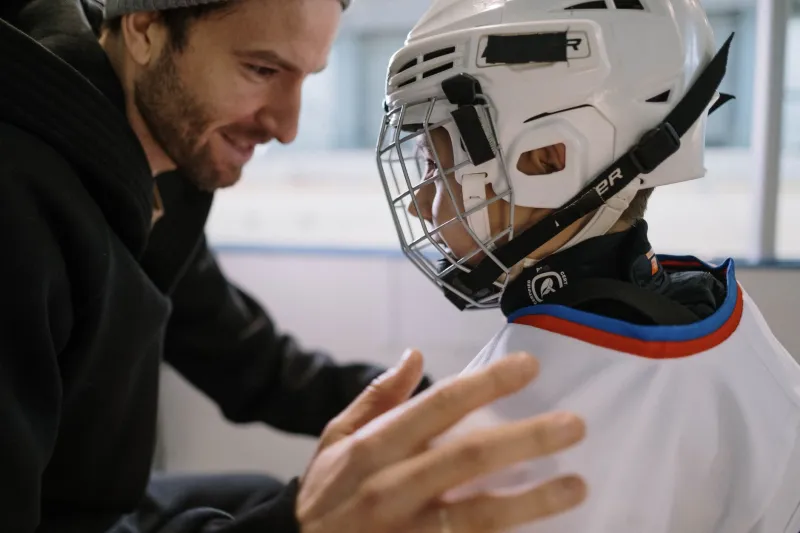
Walk into almost any ice rink in America on a busy Saturday morning and you'll notice something interesting. There's the front desk staff handling rental skates and wristbands. There's the Zamboni operator doing slow, meditative laps. There's a manager somewhere in a back office with a spreadsheet open. But then — if you look carefully — there's another layer of authority operating just beneath the surface, and it has very little to do with anyone's official job title.
Welcome to rink politics. It's real, it's surprisingly complex, and if you're new to the scene, understanding it can save you a whole lot of frustration.
The Official Structure vs. The Actual Structure
Most ice facilities — whether they're nonprofit community rinks, privately owned venues, or municipally operated spaces — have some kind of formal governance. Nonprofit rinks often answer to a board of directors. Private facilities have owners or regional management chains. City-run rinks report to a parks and recreation department. On paper, these bodies make the big decisions: budgets, hours of operation, programming priorities, and capital improvements.
In reality, day-to-day life at the rink is shaped by a much more informal chain of influence. And if you've ever wondered why a certain skating club always seems to land the 5–7 PM ice slot or why one coach's students appear to get priority access during freestyle sessions, you're already asking the right questions.
The Power Players You Probably Haven't Noticed
The Head Coach or Skating Director
At most rinks with a figure skating or hockey program, the head coach — sometimes called the skating director — is one of the most influential people in the building. They often have a direct line to management, sometimes even to the board. They decide which skaters advance in the learn-to-skate program, who gets recommended for competitive tracks, and how freestyle ice time gets distributed. Their opinion can carry enormous weight when programming decisions are being made, even if their official role is purely instructional.
The Volunteer Families
Don't underestimate the parent who's been running the annual ice show fundraiser for eleven years. Or the family that organized the rink's first hockey tournament back in 2009 and hasn't stopped showing up since. These long-term volunteer families often have the ear of facility management in ways that casual users simply don't. They've built trust over time, they know where the bodies are buried (metaphorically speaking), and they tend to get heard when they have concerns or requests. Newcomers sometimes mistake this for nepotism. It's not always that simple — these families have genuinely invested in the community. But it does create an inside track that's worth understanding.
The Board Members Who Actually Show Up
For nonprofit rinks especially, board membership can range from deeply engaged to purely ceremonial. The board members who actually attend skating events, show up to open skates, and engage with the facility's day-to-day culture are a different breed from those who only appear at quarterly meetings. The engaged ones often develop strong opinions about programming, fees, and community access — and their voices carry disproportionate weight precisely because they're present.
The Ice Scheduler
This one flies completely under the radar, but whoever controls the master ice schedule at your rink holds real power. Ice time is finite and fiercely contested. Hockey associations, figure skating clubs, speed skating groups, recreational leagues, and learn-to-skate programs are all competing for the same frozen surface. The person who builds and manages that schedule — even if they're technically a mid-level administrator — has enormous influence over which groups thrive and which ones feel perpetually squeezed.
The Tension Between Old Guard and New Arrivals
This is where things get genuinely interesting. Most established rinks have a core community that's been skating there for years, sometimes decades. These skaters and families have shaped the culture, survived budget crises, and built the kind of social capital that comes from showing up consistently over time. When new skaters arrive — or when a new demographic starts engaging with the facility — there can be real friction.
It's rarely overtly hostile. More often it shows up in subtle ways: a new skating club that can't seem to get a decent ice slot no matter how many times they ask, or a beginner adult skater who feels subtly unwelcome during a freestyle session dominated by competitive juniors. Sometimes it's a language barrier, or a cultural difference in how families engage with coaches. The rink feels open to everyone on the website, but the lived experience can tell a different story.
This isn't unique to ice sports — it shows up in community organizations of all kinds. But the physical intimacy of a rink (it's a small building, everyone sees everyone) makes these dynamics more visible and more personal.
Why This Matters for You
If you're a newcomer — whether you're a parent just signing your kid up for learn-to-skate or an adult who just discovered a love for hockey at age 38 — understanding this landscape isn't about gaming the system. It's about being an informed participant in a community that has history and context you're not yet aware of.
A few practical takeaways:
Show up consistently. Social capital at a rink is built through presence. The families who get heard are the ones who are reliably there, not just when they need something.
Introduce yourself to the coaching staff early. Not in a transactional way — genuinely get to know them. They're often the best source of information about how the rink actually functions and what opportunities exist.
Volunteer for something. Even small contributions — helping at a skating event, joining a committee — signal that you're invested in the community, not just consuming it.
Ask questions before assuming bad intent. A lot of what looks like insider favoritism is actually just the natural result of relationships built over years. Understanding that context changes how you approach things.
Find the ice scheduler. Seriously. If ice time is important to you or your club, know who controls the schedule and build a professional relationship with them.
The Rink as a Microcosm
There's something almost sociologically fascinating about ice rinks as institutions. They're simultaneously public spaces — places that theoretically welcome anyone who laces up — and tight-knit communities with their own norms, hierarchies, and histories. The best rinks are ones where the old guard actively works to welcome newcomers, where the power structures are at least somewhat transparent, and where the culture reflects a genuine commitment to the community rather than just the regulars.
Not every rink gets there. But knowing what you're walking into is the first step toward being a positive part of whatever community you're joining — and maybe even helping to shape it for the better.
The ice is for everyone. The politics? That takes a little longer to navigate. But now at least you know they exist.