From Ghost Rinks to Community Anchors: The Small-Town Ice Facilities Rewriting the Playbook
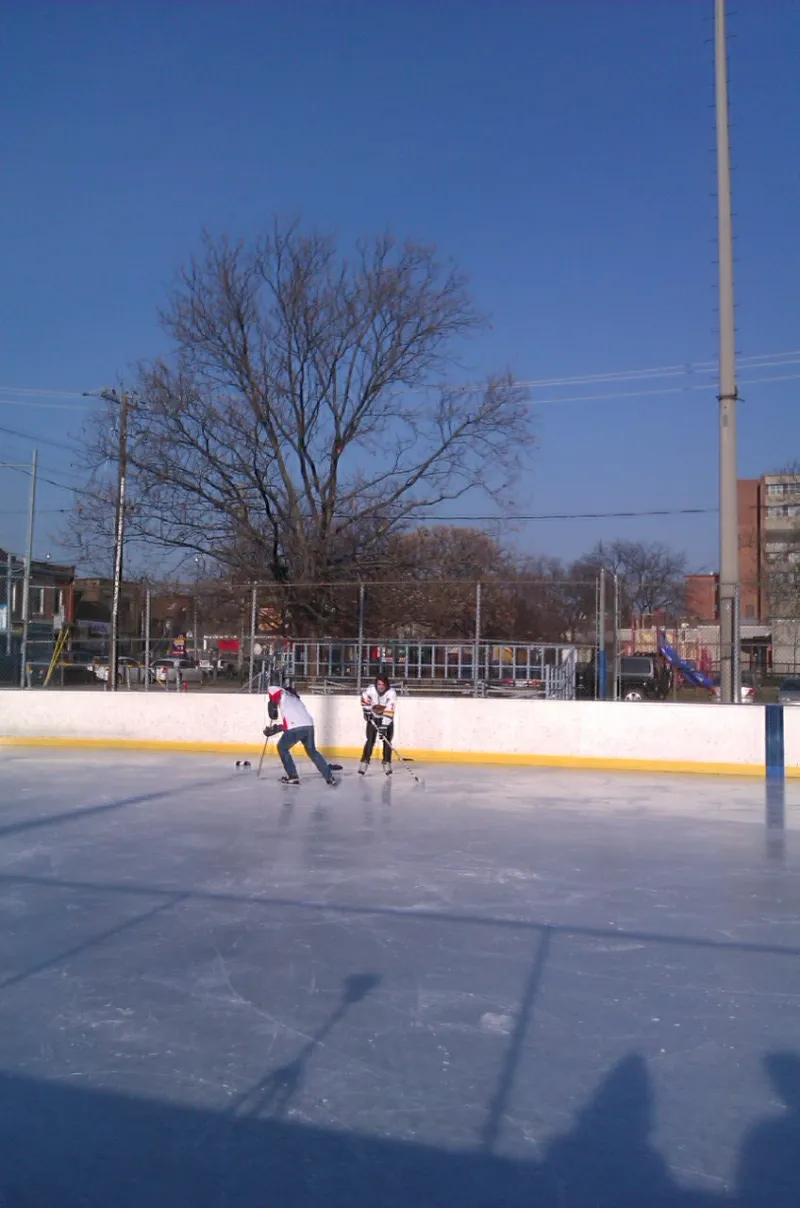
Photo: The Erica Chang, CC BY 3.0, via Wikimedia Commons
Not long ago, a lot of regional ice rinks were fighting for survival. Rising utility costs, shrinking youth hockey registrations, and competition from every other form of weekend entertainment had put dozens of facilities in a tough spot. Some closed. Others limped along on nostalgia and Friday night public skates.
But something shifted. A handful of forward-thinking rink operators started asking a different question — not "how do we get more hockey players?" but "who in our community isn't on the ice yet, and why not?" The answers they found have quietly transformed some of these facilities into some of the most dynamic gathering spaces in their towns. Here's a look at how they did it.
The Synchronized Skating Surge
If you haven't watched a synchronized skating team practice up close, you're missing something genuinely spectacular. Think precision drill team meets figure skating — groups of eight to twenty skaters executing formations, wheels, and blocks in perfect unison. It's demanding, it's social, and it turns out it's exactly what a lot of skaters who aged out of individual figure skating were looking for.
The Ellenton Ice and Sports Complex in Ellenton, Florida has leaned hard into this. By actively recruiting former figure skaters and marketing synchro as a team sport with a competitive circuit, they've built multiple synchronized teams across age divisions. What started as a single adult team has grown into a full synchro pipeline — and brought with it a whole new wave of families who now spend their weekends at the rink. The ripple effect on concession revenue, pro shop sales, and ice time bookings has been real and measurable.
Facilities in the Midwest have followed a similar path. Rinks that once offered synchro as an afterthought are now centering it in their programming calendars, hosting invitational events that draw teams from neighboring states and put their towns on the regional skating map.
Speed Skating: Not Just for the Olympics
Most Americans only think about speed skating every four years when the Winter Olympics roll around. But a growing number of community rinks are working to change that perception — and building loyal, passionate athlete bases in the process.
The Utah Olympic Oval in Kearns, Utah is the obvious flagship example, but the more interesting story is what's happening at smaller venues inspired by its model. Facilities like the Pettit National Ice Center in Milwaukee have invested in short-track speed skating programs that welcome beginners alongside serious competitors. Short-track, with its tight oval and pack-style racing, translates well to standard hockey rink ice — you don't need a specialized long-track surface to get started.
For rinks that have added even a modest speed skating club, the benefits are tangible. Speed skaters train frequently, they're committed to the sport year-round, and they tend to recruit their friends aggressively. One rink director in the Great Lakes region described her speed skating club as "the best word-of-mouth marketing we've ever had." New skaters show up, get hooked, and come back. A lot.
Adaptive Ice Sports: Opening the Door Wider
Perhaps the most meaningful transformation happening at rinks across the country is the expansion of adaptive ice sports programming. Sled hockey — sometimes called para ice hockey — has been growing steadily, and facilities that have invested in sleds, trained staff, and accessible infrastructure are seeing their communities respond with genuine enthusiasm.
The San Jose Sharks Ice at SAP Center in California and the MedStar Capitals Iceplex in Arlington, Virginia have both made adaptive programming a visible part of their identity, not an afterthought tucked into a weekend afternoon slot. When adaptive programs are treated as first-class offerings — with dedicated ice time, quality equipment, and coaches who genuinely know the sport — they attract athletes with disabilities who had written off ice sports entirely.
Beyond sled hockey, some facilities are experimenting with adaptive figure skating and inclusive public skate sessions designed for participants with physical or developmental disabilities. The Skating Club of Boston, for instance, has developed programming that pairs adaptive skaters with trained volunteers, creating an experience that benefits everyone on the ice. Rinks that have gone this route consistently report that it changes the culture of the whole facility — staff, other skaters, and parents all seem to show up differently when inclusion is visibly part of the mission.
Hockey Variants: Keeping the Game Fresh
Traditional hockey hasn't gone anywhere, but the ice sports world has quietly spawned a whole family of variants that rinks are now using to expand their reach. Pond hockey tournaments, 3-on-3 leagues, and broomball have been around for years — but newer formats are picking up steam.
Dek hockey and inline skating crossover programs have helped facilities stay connected to players during off-ice seasons, and some rinks are running hybrid programming that moves between surfaces. More interestingly, adult recreational hockey has exploded in popularity among people who didn't grow up playing the sport. Facilities like the Centerline Ice Arena in suburban Michigan have built entire "learn to play" hockey ecosystems — equipment lending libraries, beginner clinics, and no-check recreational leagues — specifically designed to onboard adults who were intimidated by the sport's traditional entry barriers.
The business logic is straightforward: a skater who learns hockey as an adult at your facility is likely to skate with you for decades. They're invested. They buy gear, they recruit coworkers, and they become the kind of regulars who keep the lights on.
What the Successful Rinks Have in Common
Look across the facilities that have genuinely reinvented themselves, and a few themes emerge consistently. First, they stopped waiting for hockey registration numbers to recover and started actively building new audiences. Second, they invested in programming infrastructure — trained coaches, appropriate equipment, and dedicated ice time — rather than just adding events to a calendar and hoping people would show up.
Third, and maybe most importantly, they started thinking of themselves as community spaces first and sports facilities second. Rinks that host birthday parties, community fundraisers, school field trips, and local events build a different relationship with their towns than those that only open their doors for league play.
The ice itself hasn't changed. What's changed is the imagination being applied to who gets to use it — and that shift is making a real difference in communities from Florida to Wisconsin to the Pacific Northwest. If your local rink is still running the same programming it was a decade ago, it might be worth asking what's possible. The facilities profiled here suggest the answer is: a lot more than you'd think.