Frozen Ambitions: How Second-Tier Cities Are Turning Skating Competitions Into Economic Gold
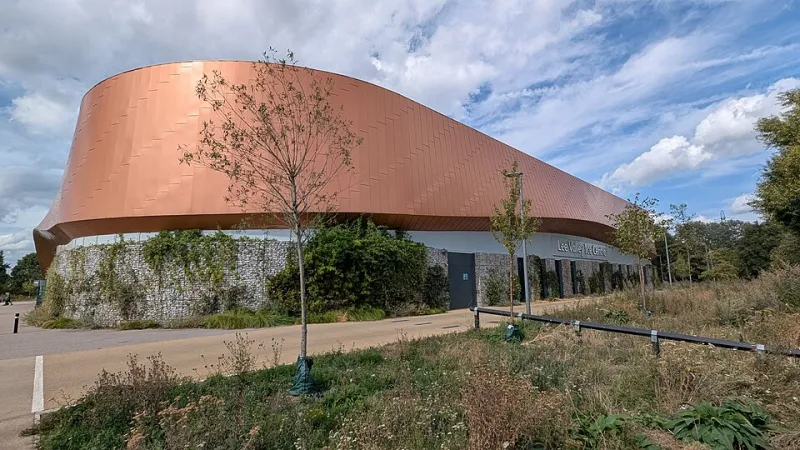
Photo: The wub, CC BY-SA 4.0, via Wikimedia Commons
There's a certain kind of civic pride that only kicks in when your city pulls off something nobody thought you could. Ask anyone who's watched their mid-sized hometown transform into a buzzing hub of sequins, triple jumps, and packed bleachers for a weekend, and they'll tell you — hosting a regional skating competition hits different.
Across the country, rink directors and city officials are waking up to something that bigger markets figured out decades ago: competitive ice events aren't just sporting occasions. They're economic catalysts. And the cities doing it best right now aren't the ones you'd first think of.
The Bid Game Is Changing
Landing a regional or sectional skating competition used to be the kind of thing that fell naturally to large metropolitan areas with established skating cultures — think Chicago, Boston, Detroit. But the economics of event hosting have shifted. Big-city rink time is expensive. Hotel blocks are harder to negotiate. And frankly, the logistical headaches of navigating a major metro can wear down even the most enthusiastic organizing committee.
Enter the mid-tier city play.
Places like Loveland, Colorado; Kalamazoo, Michigan; and Greensboro, North Carolina have spent years quietly building the infrastructure — and the reputation — to compete for these bids. They've invested in rink upgrades, developed relationships with US Figure Skating and US Speed Skating officials, and trained local volunteers who know exactly how a competition weekend is supposed to run.
"We submitted our first bid six years ago and didn't get it," says one rink director from a mid-sized Midwest city who's since hosted three consecutive regional events. "But we asked for feedback, we improved our facility, we built our volunteer base, and we came back. Now we're on the short list every cycle."
That persistence is becoming a blueprint.
What a Competition Weekend Actually Brings In
Let's talk numbers, because this is where the story gets genuinely compelling.
A mid-level regional figure skating competition typically draws between 150 and 400 athletes, each traveling with at least one parent or guardian, often a coach, and sometimes siblings. Add in spectators from across the region, and you're looking at anywhere from 500 to 1,500 people descending on a city for two to four days.
Those people need hotel rooms. They need meals. They need gas station stops and coffee shop runs and the occasional emergency trip to a sporting goods store for a replacement blade guard. Local businesses — particularly those within a few miles of the rink — feel the impact directly.
One event organizer in the mid-Atlantic region estimates that a well-run sectional event generates between $200,000 and $400,000 in direct local economic activity. "That's not counting the indirect stuff," she adds. "When families come to town and have a good experience, some of them come back. We've had families book vacations here the following summer because they liked what they saw."
City tourism offices are paying attention. In several cases, convention and visitors bureaus are now actively partnering with rink directors to pursue skating event bids — something that would have seemed unusual even ten years ago.
The Youth Participation Ripple Effect
There's another dimension to this story that doesn't show up in tourism revenue reports, but might matter even more in the long run: what happens to local youth skating enrollment after a big competition comes to town.
Kids who watch competitive skating up close — not on a screen, but from ten rows back at their hometown rink — respond differently. They see athletes who aren't that much older than them landing jumps and spinning in costumes under real competition lighting. The distance between "that could be me" and "that is impossible" shrinks considerably.
Rink directors who've hosted regional events consistently report enrollment spikes in the months that follow. Learn-to-skate programs fill up. Private lesson waitlists grow. Parents who brought their kids as spectators start asking about getting their child on the ice.
"We hosted a regional qualifier two years ago, and our youth figure skating enrollment went up 34 percent the following season," says one program director from a Southern city that had historically struggled to grow its skating community. "We didn't do anything differently with our marketing. The competition did the work for us."
Behind the Curtain: What It Actually Takes
None of this happens by accident, and it's worth being honest about the lift involved. Hosting a legitimate regional competition is a serious operational undertaking.
Rinks typically need to meet specific ice surface standards, have adequate locker room facilities, and provide a warm-up ice area if possible. Judging panels need to be coordinated through national governing bodies. Music systems need to meet competition specs. Timing equipment, scoring software, and printed protocols all have to be arranged.
Volunteer coordination alone can require dozens of people working across multiple shifts. Someone has to handle registration. Someone has to manage the warm-up schedule. Someone has to make sure the Zamboni driver knows the resurfacing windows. It is, in the words of one veteran event coordinator, "basically running a small convention, except everyone is wearing skates."
The financial investment is real, too. Facility upgrades, equipment rentals, insurance, and marketing can run a hosting organization anywhere from $15,000 to $60,000 before a single entry fee comes in. Most events eventually break even or turn a modest profit, but first-time hosts are often operating on optimism as much as financial certainty.
"You have to believe in the long game," says a rink general manager who helped her facility host its first sectional event after four years of preparation. "The first time, you're building credibility. The second time, you're building reputation. By the third time, you're building a tradition."
Pride That Sticks Around
Perhaps the least quantifiable but most durable benefit of hosting a major skating event is what it does to a community's sense of itself.
When a city that's never been on anyone's skating radar suddenly hosts 300 athletes and pulls it off flawlessly, something shifts. Local media covers it. The mayor shows up. High school kids who work part-time at the rink go home and tell their parents they helped run a national-level competition. That kind of civic moment doesn't fade quickly.
For the skating community specifically, it signals something important: this place is serious. This rink isn't just somewhere to do public sessions on Friday nights. It's a facility that can stand alongside the best in the region.
That reputation attracts better coaches, draws more serious athletes, and creates a feedback loop that keeps building on itself. The cities that figured this out first are already reaping the rewards. The ones paying attention right now are getting ready to follow.
The ice doesn't care what size your city is. But it turns out your city's size might be exactly the right selling point.