Sharper Prices Ahead: The Hidden Forces Driving Up Blade Sharpening Costs at Rinks Nationwide
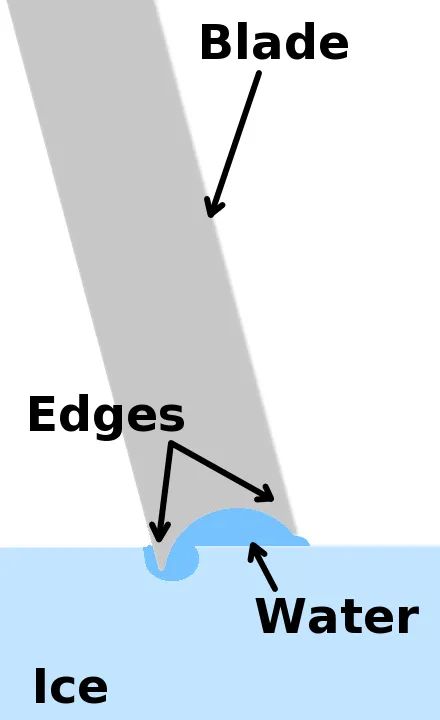
Photo: William R. Wilson, CC BY-SA 3.0, via Wikimedia Commons
If you've laced up at your local rink recently, you may have noticed a small but quietly frustrating change: that blade sharpening service you've been paying the same price for since forever just got a little more expensive. Or maybe there's a handwritten sign near the pro shop saying prices are going up next month. Either way, you're probably wondering what gives.
Turns out, the answer is a lot more complicated than rinks just trying to squeeze extra cash out of skaters. A perfect storm of global supply chain disruptions, surging energy costs, and a surprisingly concentrated equipment market is quietly forcing rink operators into some genuinely tough decisions — and blade sharpening is right at the center of it.
Steel Isn't Cheap Anymore — And That's Your Problem Too
Here's something most recreational skaters don't think about: the grinding wheels used to sharpen skate blades are made from specialized abrasive materials that depend heavily on global steel and mineral supply chains. When those chains get disrupted — whether by overseas production slowdowns, shipping bottlenecks, or raw material shortages — the cost of sourcing replacement wheels climbs fast.
Over the past few years, the steel industry has been through the wringer. Pandemic-era factory shutdowns, geopolitical tensions affecting raw material exports, and fluctuating demand have all contributed to price volatility that ripples downstream into niche industries like ice sports equipment maintenance. Grinding wheel manufacturers aren't immune, and neither are the rinks that depend on them.
"We used to order replacement wheels and sharpening machine parts without even thinking about it," said one rink manager in the Midwest who asked to remain anonymous. "Now I'm budgeting months in advance and still getting surprised by the quotes. The stuff we used to pay $200 for is running $340, $380. It adds up in a hurry."
The Equipment Monopoly Nobody Talks About
Make no mistake — the skate sharpening machine market is not exactly teeming with competition. A handful of manufacturers dominate the space, and that concentration gives them significant pricing power. When one major supplier raises costs, rinks don't have a lot of places to turn. Switching machines entirely means a capital investment that most community rinks simply can't absorb.
This is especially painful for smaller, independently operated facilities. The big arenas and multi-rink complexes can sometimes negotiate better supply deals or spread costs across higher volume. But your neighborhood rink? They're often paying full price for parts, waiting weeks for shipping, and eating the difference until they have no choice but to pass it on.
"We're not a business that can just raise prices on a whim," explained another rink operator in the Southeast. "Our community has been coming here for years, and they trust us to keep things affordable. But when our sharpening machine needs a new wheel or a motor component, I can't manufacture that myself. I pay what the market asks."
Energy Costs Are Quietly Killing the Margins
Blade sharpening might seem like a low-energy operation compared to, say, running the refrigeration systems that keep the ice frozen. But don't underestimate electricity costs in the equation. Sharpening machines run motors, and those motors run on power — power that's gotten significantly more expensive for commercial facilities in many parts of the country.
For rinks already strained by the energy demands of ice-making, compressor systems, and facility heating, the added operational cost of running sharpening equipment at scale can tip the balance. Some rinks are quietly reducing their sharpening hours or limiting the service to certain days as a cost-control measure. Others are simply adjusting the price per sharpening to reflect the new reality.
The irony is that blade sharpening has long been treated as almost a loss-leader service — something rinks offered at or near cost to keep skaters happy and coming back. That model is increasingly hard to sustain.
What Skaters Can Actually Do About It
Okay, so the economics are working against you. That doesn't mean you're helpless. There are some genuinely practical ways to stretch your sharpening budget and keep your blades in good shape without constantly shelling out at the rink counter.
Learn proper blade care basics. Moisture is the enemy of a sharp edge. Drying your blades thoroughly after every session — not just wiping them on the mat — dramatically extends the time between sharpenings. Invest in a good terry cloth blade towel and use it every single time you step off the ice.
Use hard guards on hard floors, soft guards on soft surfaces. This one sounds obvious but gets ignored constantly. Walking across concrete or tile in your skates without hard guards is basically sanding your edges down yourself. Soft soakers are for storage; hard guards are for walking. Know the difference.
Find an independent sharpener. Rink pro shops aren't the only game in town. In many metro areas, independent skate shops offer competitive sharpening rates — sometimes significantly cheaper than what rinks charge. A quick search for skate sharpening near you might turn up options you didn't know existed. Some hockey shops that do a high volume of sharpening can afford to charge less per skate.
Ask about loyalty programs. Some rinks have started offering punch-card style deals — pay upfront for a set number of sharpenings at a locked-in rate. If your rink offers something like this, it might be worth locking in before prices climb further.
Learn your edge. Knowing what hollow you prefer and being consistent about it means you're not wasting money correcting bad sharpenings. If you've never thought about your skate hollow, ask a knowledgeable sharpener to walk you through it. The right hollow for your skating style and body weight can actually make your edges last longer between visits.
Rinks Are Caught in the Middle
It's worth taking a moment to appreciate the position rink operators are in. These are facilities that, in most cases, are not printing money. They're juggling massive overhead — refrigeration, staffing, insurance, ice resurfacing, facility maintenance — while trying to keep prices accessible enough that their communities actually show up.
Blade sharpening price hikes aren't a cash grab. They're a pressure release valve on a system that's been absorbing rising costs for longer than most managers care to admit. When you hear that sharpening just went from $8 to $11 at your local rink, that's not greed — that's math finally catching up.
The best thing skaters can do, beyond the practical tips above, is stay engaged with their local facilities. Show up. Buy a hot chocolate. Take a lesson. The more revenue a rink generates across all its services, the more flexibility it has to keep individual service prices reasonable. Your rink's financial health and your blade sharpening bill are more connected than you might think.
The ice isn't going anywhere — but the economics underneath it are shifting. The skaters who understand that will be better positioned to adapt, and the rinks that communicate it honestly will keep the trust of their communities through the squeeze.