Why That $10 Skate Rental Is Actually a Bargain (And Why It's About to Cost More)
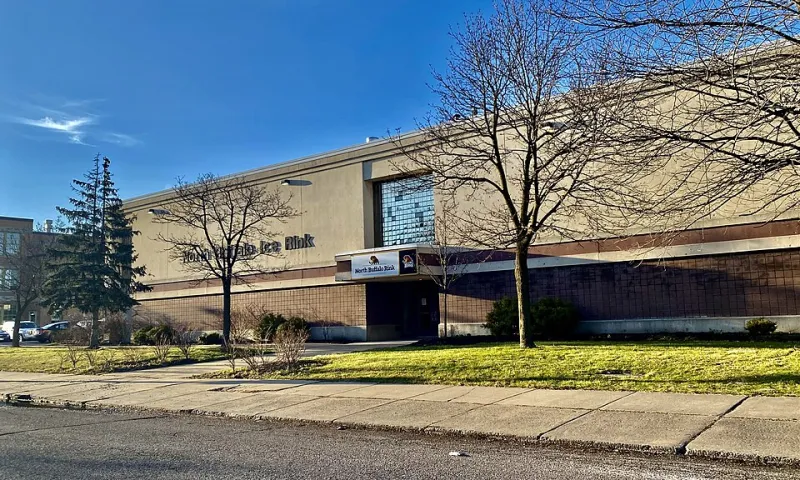
Photo: Andre Carrotflower, CC BY-SA 4.0, via Wikimedia Commons
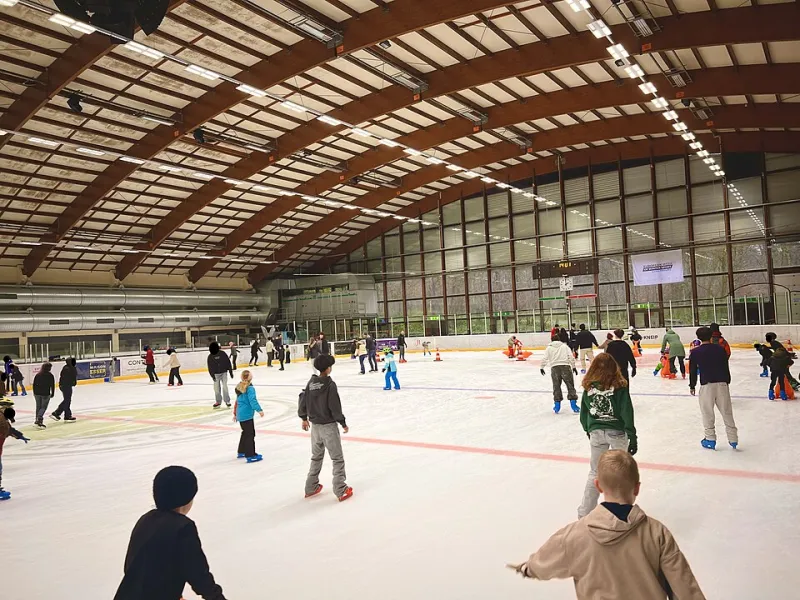
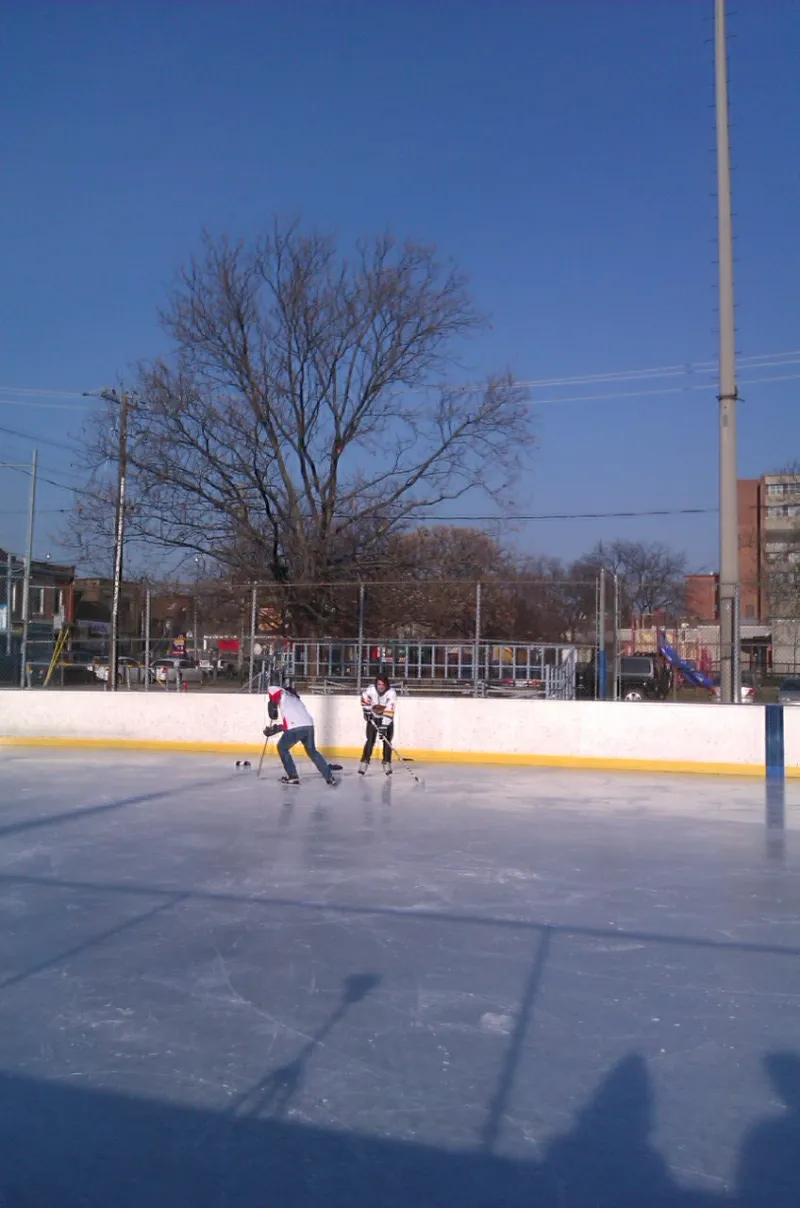
You hand over a ten-dollar bill, grab a pair of scuffed hockey skates, and lace up without giving it much thought. It's just skate rental, right? A minor line item on a fun Saturday afternoon. But that single transaction is the tip of a financial iceberg that most casual skaters never see—and understanding what's underneath it might change the way you think about your local rink entirely.
We dug into the numbers, talked to rink operators across the country, and came away with a pretty clear picture: running a public ice facility in the US is genuinely hard, and the economics behind something as simple as a skate rental are more complicated than almost anyone realizes.
The Machine That Never Sleeps
Before a single skater steps onto the ice, the bills are already stacking up. The refrigeration system that keeps your rink frozen is essentially an industrial-scale operation running 24 hours a day, seven days a week. According to figures from the Ice Skating Institute and multiple rink operators we spoke with, energy costs alone can account for anywhere from 25 to 40 percent of a rink's total operating budget.
"People don't realize we're paying for electricity whether the doors are open or not," said one operations manager at a mid-sized public rink in the Midwest who asked to remain anonymous to speak candidly. "The refrigeration doesn't take nights off. Neither does the heating system, because you still need to keep the building warm for the people even while the ice stays cold. That balance is expensive."
In practical terms, a single-sheet recreational rink can spend between $8,000 and $20,000 per month on energy depending on location, facility age, and local utility rates. Rinks in the Northeast and upper Midwest tend to benefit slightly from cooler ambient temperatures, but they also face brutal heating costs in the lobby and locker areas. In southern states, where outdoor temperatures push the refrigeration system harder, energy bills can spike even further.
Blades, Boards, and Breakdowns
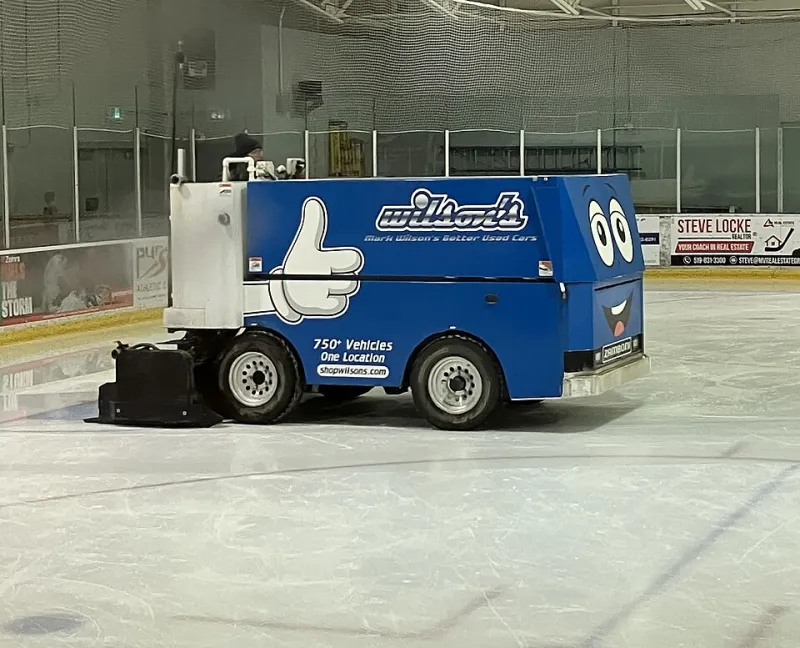
Now layer in the physical cost of maintaining the ice itself. Resurfacing machines—those iconic Zambonis you see circling the rink between sessions—aren't cheap to buy, operate, or repair. A new Zamboni can run anywhere from $30,000 to over $100,000 depending on the model. Older machines require constant maintenance, and parts aren't always easy to find.
The ice surface itself demands regular attention: water quality, depth monitoring, edge repairs after heavy use. Staff trained to operate resurfacing equipment earn competitive wages, and for good reason—a poorly maintained ice surface is both a safety hazard and a liability nightmare.
Speaking of liability: insurance is another major line item that most skaters never consider. Public ice rinks carry significant general liability coverage, and in today's legal environment, those premiums are climbing steadily. One rink director in the Southeast told us their annual insurance costs had increased nearly 30 percent over three years, with no end in sight.
The Skate Fleet: More Than Just Boots
Back to those rental skates. A full fleet for a public rink—typically 200 to 400 pairs covering everything from toddler sizes to adult wide widths—represents an upfront investment of $15,000 to $40,000. And that's just the starting point.
Blades dull with every session. A professional sharpening costs between $4 and $8 per pair, and depending on volume, a busy rink might sharpen dozens of pairs every single week. Boots crack, laces fray, rivets pop. The average rental skate lasts roughly two to three seasons before it needs to be retired—and "retired" usually means replaced entirely, not repaired.
"We go through skates faster than people think," said a skate rental coordinator at a community rink in the Pacific Northwest. "Kids are hard on equipment. Adults who haven't skated in twenty years are hard on equipment. And we can't send someone out in unsafe boots. So we're constantly cycling inventory."
When you factor in purchase cost, sharpening frequency, and replacement cycles, the per-use cost of a rental skate pair is often higher than the rental fee itself—at least in the early life of the boot.
Staffing: The Human Side of the Budget
A public session requires more people than most guests notice. There's the front desk staff handling admissions and rentals, the skate guards circling the ice for safety, the resurfacing operator, and often a rink manager overseeing the whole operation. For a two-hour public session, you might have five to eight employees on the clock simultaneously.
Minimum wage increases across many US states have pushed labor costs up significantly over the past few years. Rinks that once staffed sessions at $8 or $9 an hour are now paying $14 to $16 in many markets, with some states requiring even more. That's not a complaint—it's simply the reality of operating a labor-intensive facility in 2024.
So Why Hasn't the Price Gone Up More?
Here's the part that might actually surprise you: most rink operators are deeply reluctant to raise prices, even when the math demands it. The reason is straightforward—ice skating, particularly public recreational skating, serves a community function. Many rinks are city-owned or nonprofit-operated specifically because they provide affordable recreation for families who might not have access to other leisure activities.
"We're not trying to get rich," one municipal rink director told us. "We're trying to stay open. There's a difference."
Many facilities offset operational costs through programming revenue—learn-to-skate classes, hockey leagues, figure skating clubs, and private ice rentals all help subsidize the public session rates that families rely on. Some rinks receive municipal funding or operate under parks and recreation departments with access to public subsidies. Without those additional revenue streams, the $10 skate rental would need to be considerably higher just to break even.
What You Can Do About It
Understanding the economics of your local rink doesn't mean you have to accept price increases without question—but it does mean you're better equipped to advocate effectively. Showing up matters. Buying a season pass instead of paying session-by-session helps rinks with cash flow. Enrolling your kids in lessons, joining a recreational hockey league, or signing up for adult skating classes all contribute to the revenue mix that keeps public sessions affordable.
If your rink is city-operated, attending public budget meetings and voicing support for ice facility funding is genuinely impactful. These facilities don't fight for themselves—they need the communities they serve to make the case.
That scuffed rental skate you laced up this weekend? It's part of a much bigger story. And the more you know about that story, the better chance your local rink has of still being there next season.