Is Your Local Rink on Thin Ice? The Warning Signs Every Skater Should Know
Photo: ActivBowser9177, CC0, via Wikimedia Commons
There's a particular kind of gut punch that comes with finding out your local rink is shutting down. Maybe you learned to skate there as a kid. Maybe your daughter just landed her first axel on that ice. Maybe it's just the place you go on Friday nights to decompress. Whatever the connection, losing a rink hits differently than losing most community spaces—and more often than not, the warning signs were there long before the announcement.
The thing is, rinks rarely collapse overnight. They decline. And if you know what you're looking at, you can usually spot the trouble well before the padlocks go on. Here's what to watch for.
The Ice Itself Tells a Story
Start with the most obvious thing: the surface you're skating on. Quality ice requires consistent refrigeration, routine resurfacing, and real attention to detail. When a facility starts cutting corners financially, the ice is often one of the first places it shows.
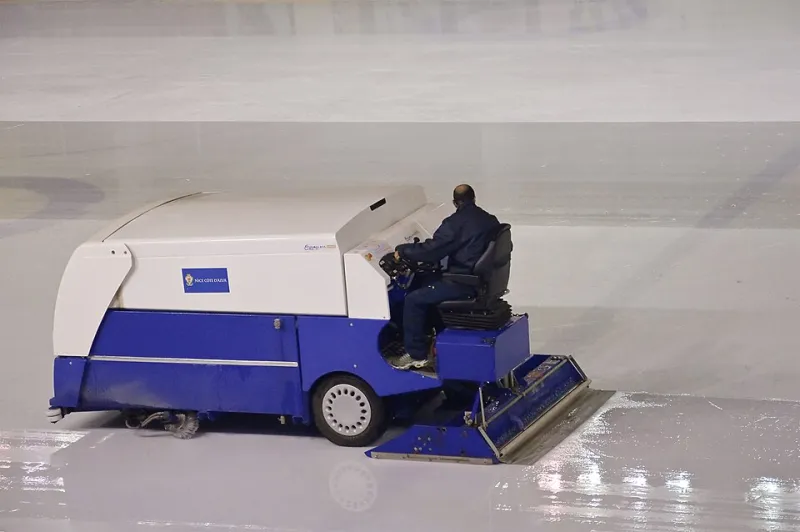
Are you noticing deep ruts that don't get addressed between sessions? Soft patches near the boards? A surface that looks more gray and cloudy than crisp white? These aren't just annoyances—they're indicators that the Zamboni schedule has been trimmed, the refrigeration system may be struggling, or the staff responsible for ice maintenance has been reduced.
A well-run rink resurfaces frequently. A rink in financial distress resurfaces as little as possible to save on labor and electricity costs. Pay attention to how often the ice gets cut during a typical public skate session. If it used to happen every 90 minutes and now it's once every three hours, that's worth noting.
Watch the Programming Calendar
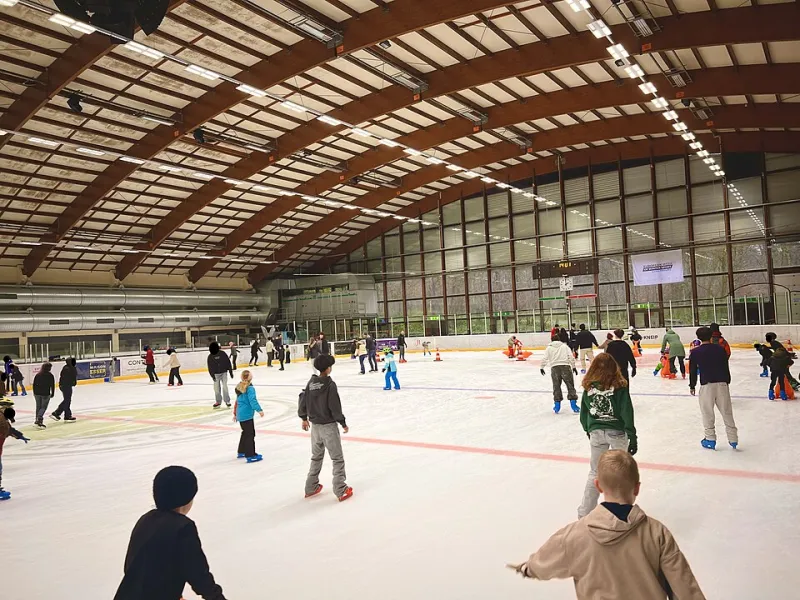
One of the clearest early indicators of financial strain is a shrinking or inconsistent programming schedule. Healthy rinks are busy rinks. They run learn-to-skate classes, adult hockey leagues, figure skating clubs, open hockey, birthday parties, and school group events. That variety isn't just fun—it's the revenue mix that keeps the lights on.
When a rink starts quietly dropping programs—canceling the Wednesday adult beginner class, eliminating the Saturday afternoon family skate, or letting the youth hockey league walk without trying to retain them—that's a red flag. Each dropped program represents lost income, and lost income compounds fast in a business with the overhead costs of a refrigerated facility.
Check the rink's website and social media pages. Is the calendar being updated regularly? Are events being promoted? A facility that's given up on marketing its own programming has often already mentally checked out.
Staff Turnover and Reduced Hours
The people working at your rink know the score long before the public does. When experienced skate guards, front desk staff, and instructors start leaving—or when you notice the same faces doing three different jobs at once—it usually means the payroll has been cut.
Reduced operating hours are another signal. If a rink that used to be open seven days a week suddenly starts closing on Tuesdays and Thursdays, management is trying to reduce utility costs. That's a reasonable short-term move, but it's also a sign they're operating in crisis mode rather than growth mode.
Don't overlook the small stuff either. Is the snack bar fully stocked or perpetually out of basic items? Are the rental skates getting sharpened and maintained, or are they getting worse by the month? Deferred maintenance on revenue-generating equipment is a classic sign of cash flow problems.
Ownership Changes and Management Shuffles
This one requires a little more digging, but it's worth the effort. Rinks change hands for all kinds of reasons—retirement, family circumstances, investment decisions—but a sudden or unexplained ownership transition can signal deeper financial distress.
If you hear through the grapevine that the rink has been sold, or if you notice new management in place without any public announcement, start paying closer attention. New ownership isn't automatically bad news, but it can indicate that the previous owner was looking for an exit. And when a buyer takes on a struggling facility, they often face a steep uphill climb to turn things around.
Local property records and business filings are publicly accessible in most states. If you're genuinely concerned about a rink's future, a quick search can sometimes reveal whether the property has been listed, whether liens have been filed, or whether the business entity has changed recently.
Community Engagement Is a Vital Sign
Healthy rinks are community institutions. They show up at local events. They partner with schools. They run toy drives and host fundraisers. They're woven into the fabric of the neighborhood.
When a rink starts pulling back from the community—fewer partnerships, no presence at local fairs or sports expos, a social media feed that's gone quiet—it often reflects an organization that's turned inward and is focused purely on survival rather than growth.
Conversely, a rink that's genuinely struggling but still fighting will often lean harder into community engagement. They'll launch fundraising campaigns, apply for grants, reach out to local businesses for sponsorships. That kind of hustle is actually a good sign—it means someone is still fighting for the place.
What You Can Actually Do About It
Knowing the warning signs is only useful if you're willing to act on them. Here's the honest truth: individual skaters have more power than they realize, especially at smaller community rinks.
Show up and spend money. Attend public skates. Buy the hot chocolate. Sign your kids up for lessons even if it's a little inconvenient. Revenue from consistent, loyal customers is the most stabilizing thing a struggling rink can have.
Organize. Talk to other regulars. Connect with the local figure skating club, the adult hockey league, the learn-to-skate parents. A unified community voice carries real weight—with rink management, with local government, and with potential investors or nonprofit operators who might step in if a private owner walks away.
Get loud with local officials. Many rinks sit on land that's publicly owned or receive some form of municipal support. Elected officials respond to constituent pressure, and more than a few rinks across the country have been saved by community members who showed up to city council meetings and made their case.
Finally, don't wait until the closure notice is posted. By then, the decisions have usually already been made. The window for intervention is earlier than most people think—when the ice starts looking rough, when the calendar gets thin, when the staff starts disappearing. That's when your voice matters most.
Your rink is worth fighting for. You just have to know when the fight has already started.