When the Resurfacer Dies: The Quiet Crisis Threatening Your Local Rink's Future
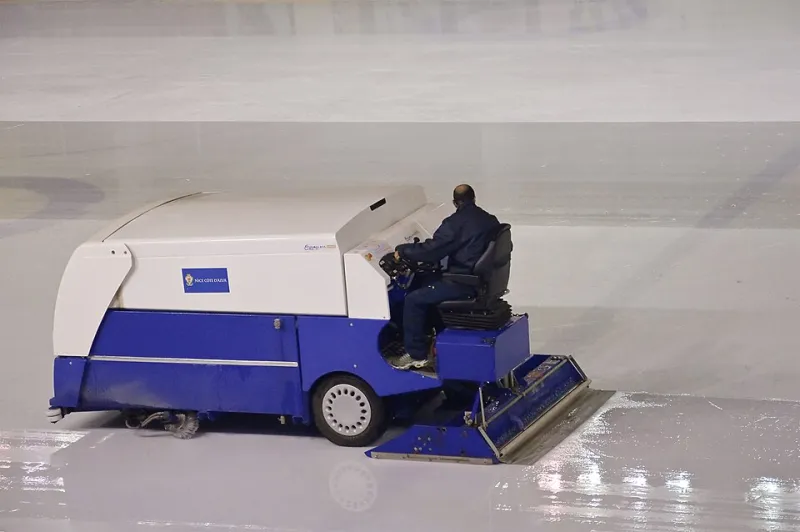
Photo: Myrabella, CC BY-SA 3.0, via Wikimedia Commons
You glide out onto a freshly cut sheet of ice and feel that satisfying smoothness under your blades. You probably don't give a second thought to how it got that way. But somewhere in the back of that rink — past the locker rooms and the vending machines — there's a piece of machinery that's working overtime, aging fast, and quietly becoming one of the biggest financial headaches in American ice sports.
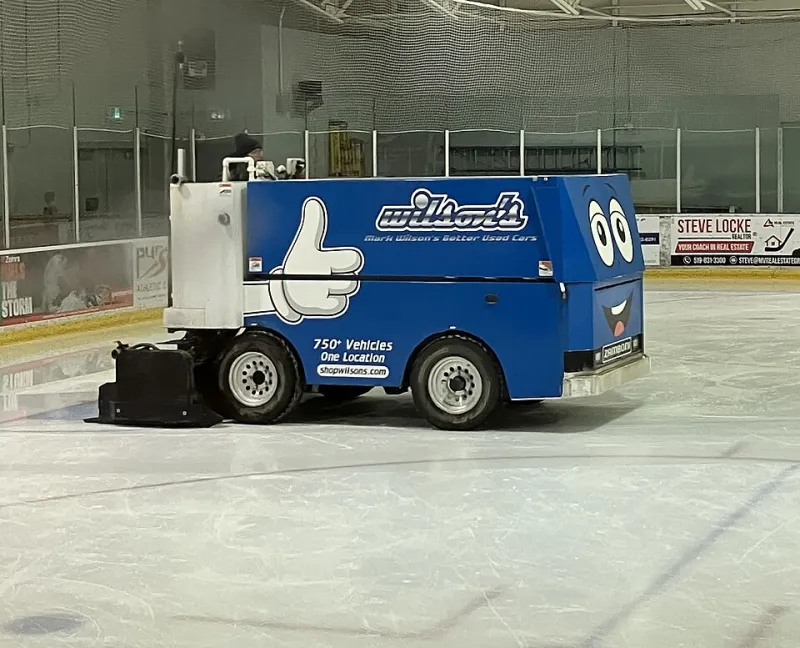
We're talking about the ice resurfacer. The Zamboni. The big lumbering machine that laps the rink between sessions while everyone crowds the boards eating nachos. And right now, a lot of those machines are on their last legs.
The Machine Behind the Magic
Most recreational rinks run one or two resurfacing machines, and they use them constantly. A busy public rink might resurface the ice four to six times a day — more if there are hockey leagues running back-to-back sessions at night. These machines flood the surface with hot water, shave off the rough top layer, and leave behind that glassy finish that makes skating feel effortless.
The problem? Many of the resurfacers currently in use at community rinks across the US were purchased in the 1990s or early 2000s. Some are even older. And just like any piece of heavy equipment that's been worked hard for two or three decades, they're starting to fall apart in expensive ways.
"We had a compressor go out on ours last February," said one facility director at a mid-sized rink in the Midwest who asked not to be named due to ongoing budget negotiations with their city council. "We were looking at a $14,000 repair bill. For a machine that's already 22 years old. At some point you're just throwing good money after bad."
That's the central dilemma — repair or replace — and it's playing out at rinks from Minnesota to Texas to New England right now.
What a New Machine Actually Costs
Here's where things get eye-watering. A brand-new electric ice resurfacer from a major manufacturer can run anywhere from $80,000 to over $120,000 depending on the model and specifications. Propane and natural gas models tend to be somewhat less expensive upfront but carry ongoing fuel and emissions compliance costs. Even a solid used machine in good condition can set a facility back $30,000 to $50,000 — and that's before you factor in shipping, installation, and any necessary rink modifications.
For a nonprofit community rink or a municipally operated facility already running on a razor-thin budget, that's not a line item you just absorb. It often means hard choices.
"When our resurfacer went down for three weeks last winter, we had to cancel our adult learn-to-skate program and two youth hockey practice blocks," said a rink manager at a community recreation center in the mid-Atlantic region. "That's lost revenue, yes, but more than that, it's people who showed up expecting ice and got an empty building. You lose trust with your community and that's hard to rebuild."
Parts Are Getting Harder to Find
Beyond the sticker price of new equipment, facilities are running into another wall: parts availability. As older machines age out of production cycles, the supply chain for replacement components gets thinner. Some operators report waiting weeks for a specific valve assembly or hydraulic component, and in some cases, parts simply aren't being manufactured anymore.
A few enterprising rink operators have turned to fabrication shops to custom-machine replacement parts, which works — sometimes — but adds cost and uncertainty to every repair. Others have started buying non-functional used machines purely as parts donors, essentially cannibalizing one dead resurfacer to keep another alive.
It's a creative solution, but it's also a sign of how strained the situation has become.
The Ripple Effect on Skaters and Programs
This isn't just a behind-the-scenes infrastructure story. When a rink's resurfacing capability is compromised, the effects move through every program on the schedule.
Public skating sessions get shortened or cancelled. Figure skating clubs lose practice ice. Youth hockey associations scramble to find alternative rink time — often at facilities 45 minutes away. Learn-to-skate programs, which depend on consistent, reliable ice to keep beginner students engaged and coming back, take a particularly hard hit.
For facilities trying to grow their community programming, equipment instability is a serious obstacle. You can't build a beginner hockey clinic series or a synchronized skating program if you're not sure whether you'll have usable ice next weekend.
How Rinks Are Getting Creative
The good news — and there is some — is that rink operators are finding ways to adapt. Here's what's actually working at facilities around the country:
Cooperative equipment sharing. In some regions, neighboring rinks have formed informal agreements to share backup resurfacing equipment during outages. It requires coordination and a healthy dose of goodwill, but it's kept several facilities operational during crisis moments.
Lease and financing programs. Equipment manufacturers and third-party leasing companies have expanded financing options in recent years, making it possible for smaller facilities to access newer machines without a massive upfront capital expenditure. Monthly payments are easier to absorb than a six-figure hit to the capital budget.
State and federal grant funding. Some facilities have successfully tapped into municipal infrastructure grants or recreational facility improvement funds to offset replacement costs. It takes patience and paperwork, but the money is out there for operators willing to pursue it.
Preventive maintenance overhauls. A growing number of facility managers are investing in comprehensive mechanical audits of their existing equipment — essentially a full rebuild of aging machines — to extend usable life by another five to ten years. It's not cheap, but it's often significantly less expensive than full replacement.
What Skaters Can Do
If you love your local rink, there are real ways to help beyond just showing up to skate — though that matters too.
Attend public meetings when facility budgets are being discussed. Write to your city council member or county commissioner in support of recreational infrastructure funding. Join or support your rink's booster organization or friends group if one exists. And if your rink runs a fundraiser specifically aimed at equipment replacement, take it seriously. That money goes somewhere real.
The ice under your blades doesn't happen by accident. It happens because of machines, and people, and budgets, and decisions made long before you laced up your skates. Understanding that chain — and caring about it — is part of being a genuine member of the ice community.
The Bottom Line
American ice rinks are facing an equipment reckoning that's been building for years. The resurfacing machines that keep the sport alive are aging out, and the costs of repair and replacement are straining budgets that were never particularly comfortable to begin with.
But rinks are resilient. The people who run them are resourceful. And the communities that love them have shown, time and again, that they'll fight to keep the ice alive.
Next time you step out onto a fresh sheet, maybe give a quiet nod to the machine parked in the corner. It's working harder than you think.