So Your Kid Wants to Figure Skate: A Real-Talk Guide for Parents Just Getting Started
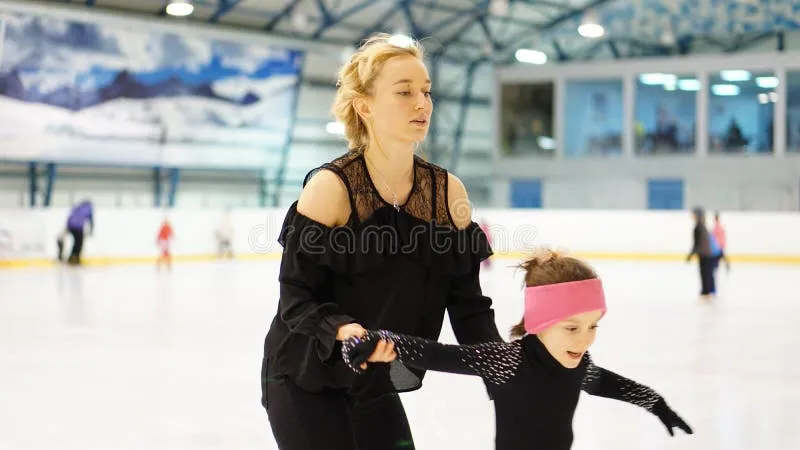
Photo: young girl figure skating lesson with coach at indoor ice rink, via thumbs.dreamstime.com
Your daughter watched the Winter Olympics and now she won't stop spinning in the kitchen. Your son tried a public skate session at the local rink and came home begging for lessons. Sound familiar? Every year, thousands of American families take that first step toward figure skating — and most of them walk into it with very little idea of what they're actually signing up for.
That's not a criticism. It's just the truth. Figure skating is a sport that looks effortless from the stands and reveals its full complexity only once you're deep inside it. We talked to seasoned skating parents, coaches, and rink directors to put together the guide we all wish had existed on day one.
What You're Actually Going to Spend (Let's Be Honest)
Ice time is the entry point, but it's far from the whole picture. Group lessons at most US rinks run anywhere from $10 to $25 per session, which sounds reasonable until you realize that progressing seriously in figure skating typically means private coaching — and that's where the numbers start climbing.
Private coaching rates vary significantly by region and coach experience, but expect to pay between $50 and $150 per hour for a qualified instructor. Skaters working toward competition often take multiple private lessons per week. Do that math, and you're looking at a meaningful monthly investment before you've bought a single piece of equipment.
Speaking of equipment: those rental skates at the rink are fine for a few sessions, but any child skating regularly needs their own boots and blades. A decent beginner pair runs $100 to $300. As your skater progresses, boots and blades are often purchased separately, and high-end setups for competitive skaters can push well past $1,000. Figure skating boots also wear out, especially in growing kids, so budget for replacements every year or two.
Then there's testing fees, competition entry fees, travel costs if you're attending events outside your area, and — yes — costumes. A competition dress can range from a few hundred dollars to several thousand for custom designs at higher levels. Many families find secondhand options through skating clubs and online communities, which helps.
"I tell new parents to budget for about twice what they think they'll spend in the first year," says one coach who has worked with skaters from beginner through junior national level. "Not to scare them — just so they're not blindsided."
The Time Commitment Is Real, Too
Figure skating isn't a drop-off-and-pick-up kind of sport, at least not once your child gets serious. Ice sessions happen early — often before school — because rink ice is shared with hockey programs, public skates, and other activities. Early morning sessions at 5:30 or 6 a.m. are completely normal for competitive skaters.
Parents describe a lifestyle adjustment that goes beyond just waking up early. There are drives to the rink multiple times a week, waiting around during lessons, and a family calendar that starts revolving around ice availability. Siblings, vacations, and weekend plans all get filtered through the lens of skating schedules.
"Our whole family adapted," says a mom from the Midwest whose daughter has been skating competitively for six years. "We don't resent it — we love the sport — but we went in thinking it would be like soccer practice twice a week. It's a different level of commitment."
That said, it doesn't have to be all-consuming if you don't want it to be. Which brings us to the part a lot of families don't realize upfront: there are actually multiple pathways in figure skating, and not all of them lead to competition.
Understanding the Different Pathways
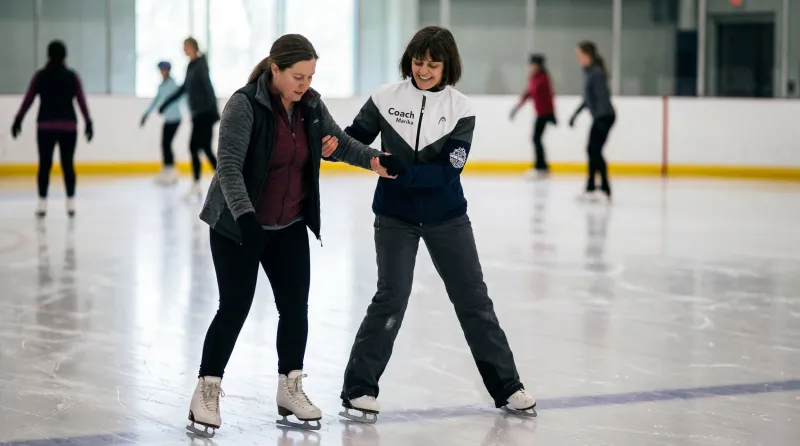
US Figure Skating, the sport's national governing body, offers a structured learn-to-skate pipeline through its Basic Skills program, which you'll find at rinks across the country. This is where most kids start — learning fundamentals like edges, turns, and simple jumps in a group setting. It's affordable, low-pressure, and a genuinely great introduction.
From there, families can choose to continue recreationally, working through skill levels at their own pace without ever entering a competition. Plenty of kids skate for years this way and absolutely love it. The sport builds discipline, physical fitness, coordination, and confidence — none of which require a competition schedule.
For families interested in competing, the pathway runs through local clubs affiliated with US Figure Skating. Club membership typically costs a few hundred dollars annually and opens the door to testing (formal skill assessments) and competitive events. At the lower levels, competitions are low-key, local affairs — a great introduction for kids who like the performance aspect without enormous pressure.
Higher up the ladder, you have regional, sectional, and national competitions. This is where the costs, training hours, and commitment levels increase substantially. Only a small fraction of skaters ever reach this tier, and that's perfectly okay. The journey itself — the discipline, the artistry, the friendships made at the rink — has value at every level.
Finding the Right Coach and Club
This might be the single most important decision you make early on. A good coach does more than teach jumps — they build a relationship with your child, communicate well with parents, and understand where your family is coming from in terms of goals and bandwidth.
Ask around at your local rink. Talk to other skating parents. Sit in on group lessons if you can. Look for someone whose teaching style matches your child's personality. A coach who thrives with highly driven competitive kids might not be the right fit for a recreational skater who just loves being on the ice.
Joining a skating club also connects you with a community of families who get it — people who understand the early mornings, the gear obsession, and the particular joy of watching your kid land their first axel. That community is genuinely one of the best parts of this world.
The Rewards Are Worth Talking About, Too
We've covered the costs and the realities, but here's the other side: figure skating parents consistently describe it as one of the most meaningful experiences of their family life. The sport demands a lot — and gives back accordingly.
Kids who stick with skating develop a work ethic that shows up everywhere else in their lives. They learn to handle setbacks, to practice something hundreds of times before it clicks, and to perform under pressure with grace. The physical benefits are enormous. And for many skaters, the rink becomes a second home — a place where they feel genuinely at ease and part of something bigger than themselves.
"My daughter has cried at the rink and she's beamed at the rink," one parent told us. "It's taught her more about herself than anything else she's ever done. I wouldn't trade it."
If your kid is showing interest, the best first step is simple: get them into a group lesson and see how it feels. You don't have to commit to a competitive career on day one. Just show up, lace up, and let the ice do its thing.