What's Actually Going On Under Your Blades: The Hidden Science of Rink Ice
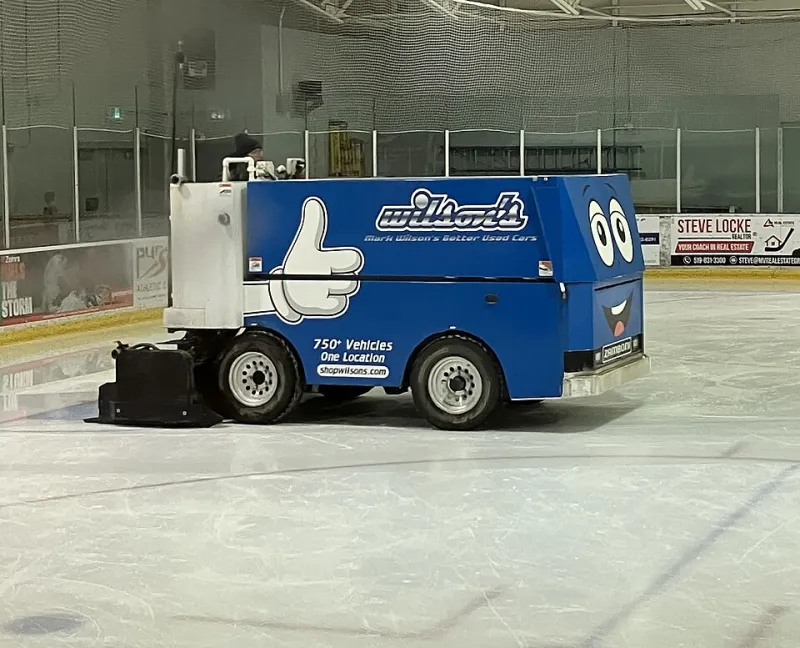
Photo: Gogerr, CC BY-SA 4.0, via Wikimedia Commons
Most skaters step onto the ice, feel that satisfying crunch under their blades, and think nothing more of it. But behind every smooth, gleaming surface is a surprisingly complex operation — part engineering, part intuition, part obsessive attention to detail. Across rinks from Minneapolis to Miami, facility managers are quietly waging a daily battle against physics to keep the ice competition-ready, or at least decent enough for a Friday night public skate.
So what actually goes into making great ice? Buckle up, because it's a lot more interesting than it sounds.
Hard vs. Soft: The "Fast" and "Slow" Ice Debate
You've probably heard competitive skaters or hockey players talk about ice being "fast" or "slow," and no, they're not just being dramatic. The hardness of ice directly affects how a blade interacts with the surface.
Harder ice — typically maintained at colder temperatures, somewhere around 16 to 22°F at the surface — offers less friction. Blades don't sink in as deeply, which means speed skaters and hockey players can push off and glide more efficiently. That's "fast" ice. Figure skaters, on the other hand, often prefer slightly softer ice, kept a few degrees warmer. The blade bites in just enough to land jumps cleanly and execute precise footwork without slipping out.
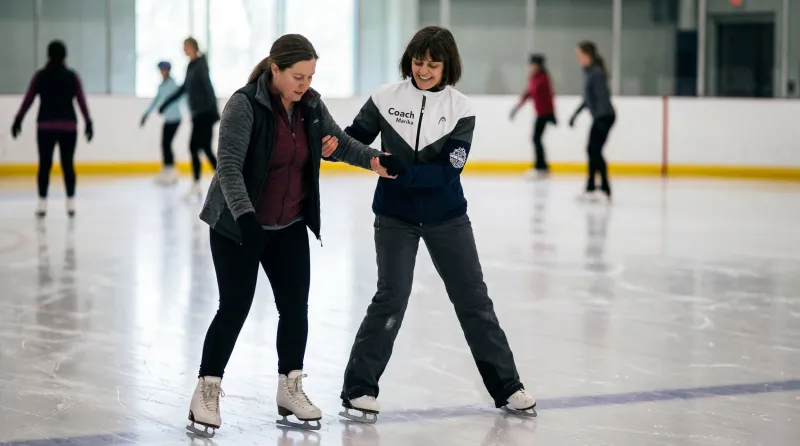
Recreational rinks tend to split the difference, hovering around 24 to 26°F at the surface. It's a compromise — not ideal for elite performance, but forgiving enough that the Tuesday afternoon learn-to-skate crowd isn't wiping out every thirty seconds.
The Brine System: What's Actually Keeping Things Frozen
Here's something most casual skaters never think about: the ice itself isn't directly cooled from above. Underneath the concrete or sand floor of a rink runs a network of pipes — sometimes miles worth — carrying refrigerated brine (essentially a saltwater solution) or glycol. This system pulls heat out of the slab, and the slab in turn freezes the water above it.
The brine temperature, the flow rate, and the thickness of the concrete all influence how evenly the cold transfers to the surface. Uneven brine distribution is one of the sneakiest problems a facility can face. It creates soft spots or temperature inconsistencies that skaters might feel as patches where the ice seems mushier or crunchier than the rest of the sheet.
Facility managers often describe reading the ice like reading the weather — there are signs everywhere if you know what to look for. Frost patterns, the sound of the Zamboni, even the way the ice chips during a resurface all tell a story about what's happening below the surface.
Humidity: The Villain Nobody Talks About
If brine systems are the unsung heroes of ice quality, humidity is the sneaky antagonist. Water vapor in the air constantly settles onto the ice surface, and too much of it creates a foggy, wet layer that degrades the skating experience fast. Ever skated on ice that felt like slush even though the temperature seemed fine? Humidity was probably the culprit.
Rinks in humid climates — think the Southeast or coastal regions — deal with this constantly. Dehumidification systems run nonstop during the summer months, and even in winter, a packed house of sweaty fans can dump enough moisture into the air to noticeably soften the surface within a period or two.
Some arenas pipe in dry air from above the ice to create a kind of invisible barrier. Others rely on powerful HVAC systems to manage the building's overall air quality. Either way, the goal is the same: keep that surface as dry and consistent as possible.
The Zamboni Operator: More Skill Than You Think
Let's talk about the Zamboni, because the person driving it is doing a lot more than just making the ice look pretty between periods.
A proper resurface involves shaving a thin layer off the existing ice, vacuuming up the snow shavings, and then laying down a thin film of hot water — yes, hot — that bonds with the existing surface and freezes into a smooth new layer. The water temperature matters: too cold and it won't bond properly, leaving a brittle surface. Too hot and it takes too long to freeze, which is a problem when you've got a game starting in eight minutes.
Experienced operators develop a feel for their specific machine, their specific rink, and even the specific conditions of a given day. They adjust water temperature, flood thickness, and driving speed based on what the ice is telling them. It's genuinely a skilled trade, and the best ones are worth their weight in gold to a facility.
Some competitive venues use multiple Zamboni passes — sometimes three or four — to build up ice before a major event. That layering process takes time and planning, often starting days in advance.
Building Ice From Scratch
Speak of building ice — if you've ever wondered how a rink goes from a bare concrete slab to a full sheet, the process is both methodical and kind of mesmerizing.
It starts with thin layers. The first pass is just a light mist of water, which freezes almost instantly and seals the concrete. Then comes the white paint — yes, the white you see on the ice is actually painted on, applied in multiple coats between thin water layers. Lines, logos, and face-off circles get painted in at specific stages, then sealed under more layers of clear ice on top.
Building a full sheet from scratch can take anywhere from 24 to 48 hours, depending on the refrigeration system's capacity and the ambient conditions in the building. Rush the process and you end up with weak, inconsistent ice that can crack or develop soft spots once skaters hit it.
Why It All Matters for Your Skate
You don't have to be an Olympic hopeful to care about ice quality. Even recreational skaters feel the difference between a well-maintained sheet and a neglected one — it shows up in how easy it is to balance, how predictable the surface feels, and honestly, how much fun you have out there.
For facilities that host competitive events — whether that's a regional figure skating competition, a travel hockey tournament, or a speed skating meet — the stakes are even higher. Athletes train for months, and the ice conditions on competition day can genuinely affect outcomes.
The people keeping those surfaces dialed in don't always get the recognition they deserve. Next time you step onto a clean, crisp sheet of ice, take a second to appreciate the science — and the people — behind it. There's a whole world happening just below your blades.