Rink or Ruin: What It Really Takes to Keep Your Local Ice Facility Alive
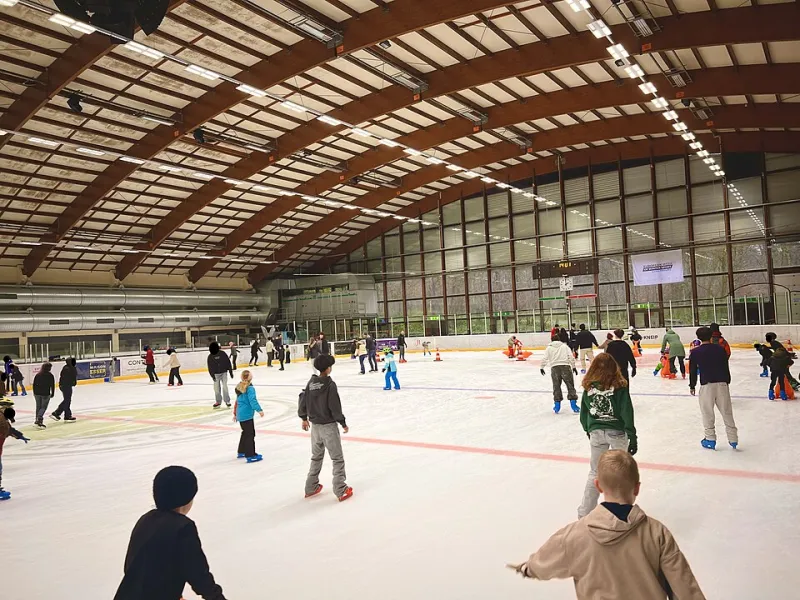
Photo: Bdx, CC0, via Wikimedia Commons
Walk into your local ice rink on a Saturday morning and the scene feels timeless — kids wobbling at the boards, a hockey team warming up at one end, maybe a figure skater tracing circles near center ice. What you probably don't notice is the quiet financial tension humming just beneath all of it. Running an ice facility in America is, to put it bluntly, expensive as heck — and the gap between a rink that thrives and one that shutters for good is often thinner than a freshly cut sheet of ice.
So what actually keeps the lights on? And why do some communities hold onto their rinks for generations while others watch theirs go dark? We dug into the numbers, talked to operators across the country, and came away with a much clearer — and more complicated — picture.
The Cost of Cold
Let's start with the obvious: ice is not cheap to make. Refrigeration systems — the compressors, chillers, and miles of embedded piping under a rink floor — are the single biggest capital expense a facility faces. A full refrigeration plant replacement can run anywhere from $500,000 to well over $2 million depending on rink size. And that's before you factor in the electricity bill.
"Most people have no idea that we're running refrigeration 24 hours a day, even in January," says one rink general manager in the Midwest who asked to remain anonymous. "Electricity is our second-largest expense after labor. Some months it's our first."
For year-round facilities — the kind that serve hockey leagues in July and skating lessons in February — those costs never let up. Seasonal rinks, which typically operate from October through March, get a break on utilities but face their own trap: they have to generate enough revenue in roughly five months to cover infrastructure costs, maintenance, and staffing that doesn't simply pause when the ice comes out.
Seasonal vs. Year-Round: Two Very Different Survival Strategies
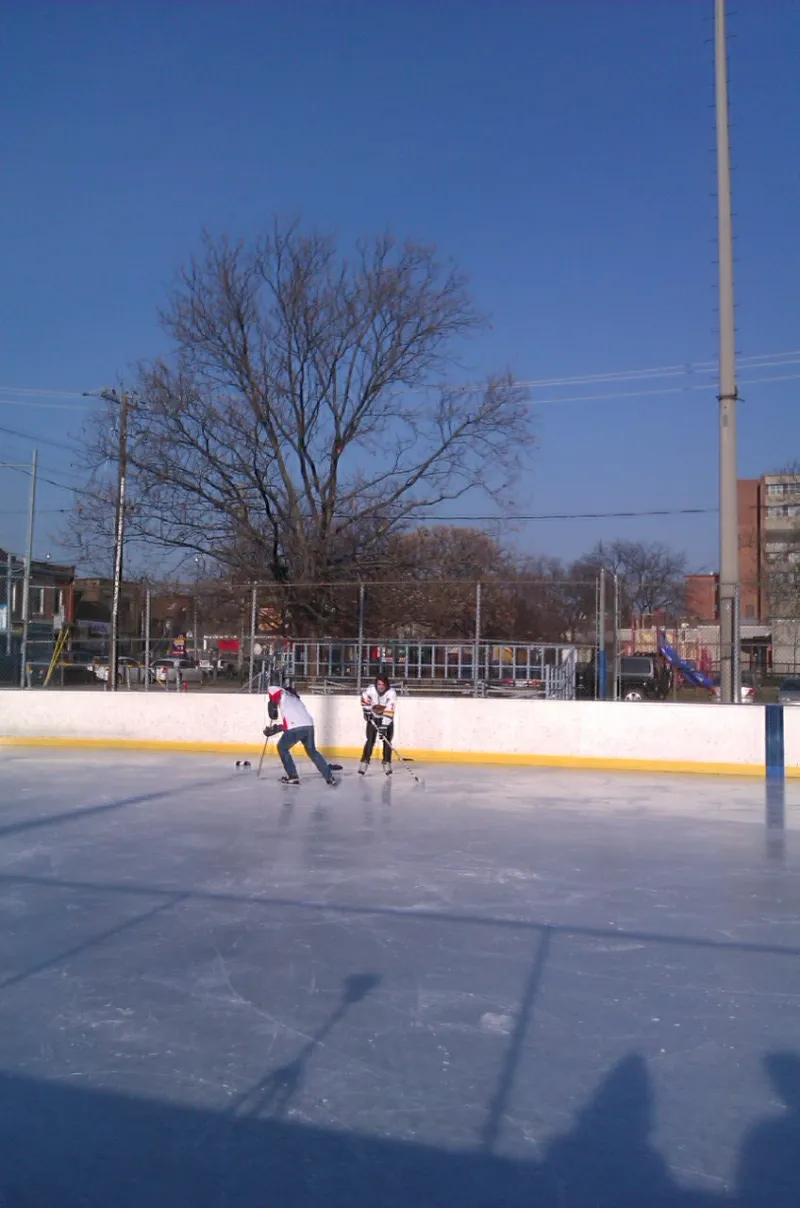
The seasonal versus year-round divide is one of the most important fault lines in the rink business. Outdoor seasonal rinks — especially the ones popping up in city parks and downtown plazas — have lower overhead and can lean on municipal subsidies or sponsorships to stay viable. They're beloved community fixtures, but they're not usually profit centers.
Indoor year-round facilities are a different animal entirely. To justify keeping the ice in through summer, operators need to fill ice time from morning to night. That typically means stacking multiple revenue streams: adult hockey leagues, youth development programs, figure skating clubs, curling leagues (yes, curling is having a moment), birthday parties, corporate events, and public skate sessions.
"You can't survive on public skate alone anymore," explains a rink director in the Pacific Northwest who has operated her facility for over 15 years. "Public skate brings people in the door, but the margins are razor thin once you account for staffing and ice maintenance. Our hockey leagues and learn-to-skate programs are what actually keep us solvent."
That reality has pushed many rinks toward a programming-first model — essentially becoming community recreation hubs that happen to have ice in the middle.
The Hidden Revenue Pillars
Talk to enough rink operators and a pattern emerges. The facilities that are doing well have almost always cracked at least two or three of these revenue categories:
Skate rental and pro shop sales. Rental fleets are a grind to maintain, but they're a steady income source. Rinks that also sell and sharpen skates keep more dollars on-site instead of watching customers head to a sporting goods chain.
Lessons and clinics. Learn-to-skate programs, often run through USA Hockey or US Figure Skating affiliates, create a pipeline of returning customers. A kid who takes lessons at age seven might be on a travel hockey team by ten — and that family is now paying for ice time, equipment, and registration fees year-round.
Food and beverage. The humble snack bar deserves more credit than it gets. Concession revenue at a busy rink can meaningfully offset operating costs, especially during tournament weekends when families are on-site for hours.
Facility rentals. Birthday parties are a classic, but forward-thinking rinks are also renting their spaces for corporate team-building events, off-ice fitness classes, and even non-skating events when the ice is temporarily covered.
When the Math Stops Working
So why do rinks close? Sometimes it's deferred maintenance catching up all at once — a compressor that finally gives out, a roof that can't survive another winter. Sometimes it's a lease that expires and a landlord who sees more value in a different tenant. And sometimes it's simply demographics: a neighborhood that has shifted, a youth sports culture that has moved toward year-round soccer or lacrosse, or a community that never quite built the skating culture needed to sustain a facility.
Municipal rinks face their own version of this pressure. When city budgets tighten, recreation facilities often land on the chopping block. Unlike a library or a fire station, an ice rink can feel like a luxury — even when it's serving hundreds of families every week.
"The rinks that close usually had warning signs years before," says a facility consultant who has worked with struggling rinks in the Northeast. "Deferred maintenance, declining program enrollment, no real community advocacy. By the time people start a 'save our rink' campaign, it's often too late to reverse the damage."
What You Can Actually Do
Here's the part that matters most if you love your local rink: your choices as a skater and a community member genuinely affect whether it survives.
Sign up for a program. Even if you're a casual skater, enrolling in a learn-to-skate class or a recreational hockey league puts recurring revenue on the rink's books. That predictability is gold for operators trying to plan staffing and expenses.
Buy from the pro shop. If your rink sells skates, accessories, or sharpening services, use them. Every dollar spent on-site instead of online helps.
Show up to public skate. Yes, the margins are thin — but consistent turnout signals community demand to city councils, landlords, and potential investors.
Advocate loudly. If your rink is municipally operated, show up to budget hearings. Write to your city council member. Organize a letter-writing campaign from your skating club or hockey association. Decision-makers respond to organized voices.
Spread the word. Invite someone who has never skated to a public session. Every new skater is a potential future regular, and growing the overall skating community is the long-term answer to nearly every financial challenge a rink faces.
Ice Worth Fighting For
There's something genuinely irreplaceable about a local ice rink. It's the kind of community space that spans generations — where a grandparent can lace up alongside a grandkid, where a first-time skater becomes a lifelong hockey player, where a city finds a little common ground on a frozen surface. That's not nothing. That's actually a lot.
The economics are real and they're hard. But so is the community will that has kept rinks alive in places where, by pure financial logic, they probably should have closed years ago. The difference, more often than not, is people who showed up — on the ice and off it.