Who Gets the Ice? The Brutal Reality of Rink Scheduling and Why 6 AM Slots Are Worth Fighting For
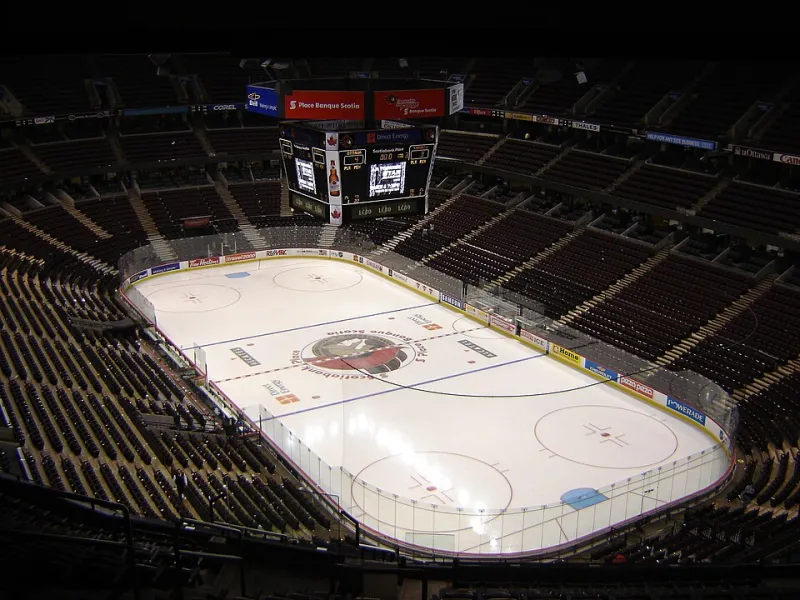
Photo: Sikander Iqbal, Public domain, via Wikimedia Commons
Walk into almost any busy ice rink in America at 5:45 on a Tuesday morning and you'll find something that looks a lot less like leisure and a lot more like organized competition — before anyone even laces up. Coaches clutching coffee cups. Parents in the bleachers with their eyes half-open. And skaters, some of them barely teenagers, already warmed up and ready to go the moment the Zamboni clears the surface.
Those early morning slots — the ones that start before most people's alarms go off — are quietly some of the most valuable real estate in American ice sports. And the scramble to secure them says a lot about who has power in the rink ecosystem and who's getting pushed to the margins.
Why the Early Bird Really Does Get the Ice
It sounds counterintuitive. Why would anyone pay a premium to skate at 6 AM? The answer comes down to ice quality and focus.
Freshly resurfaced ice in the early morning hours is as close to perfect as it gets. No ruts from a hundred recreational skaters. No slush building up in the corners. No distracted beginners cutting across your practice path. For serious figure skaters, hockey players working on stickhandling, and speed skaters logging training miles, that clean surface isn't a luxury — it's a functional necessity.
"The ice at 6 AM is a completely different product than what you're skating on at 2 PM on a Saturday," says one facility manager at a mid-sized rink in the Midwest who asked not to be named. "We charge accordingly because the demand is real and the supply is genuinely limited."
That premium can be significant. At some facilities, early morning "prime time" rates for figure skating sessions run 20 to 40 percent higher than midday open skate equivalents. For ice rentals booked by hockey clubs or skating academies, the gap can be even wider.
The Booking Arms Race
At many rinks across the country, the process of securing prime ice time has evolved into something resembling a competitive sport in its own right. Skating clubs, hockey associations, and private coaches often lock in their recurring early morning slots months — sometimes an entire season — in advance. By the time a new parent tries to enroll their kid in a serious training program, the best windows are already spoken for.
This creates a de facto tiered system. Established clubs and well-funded programs get first dibs, often through longstanding relationships with facility management. Newer skaters, independent coaches, and families without connections to the right organizations find themselves negotiating for whatever's left.
"We had a family come to us last fall, their daughter had been skating for two years and she was genuinely talented," recalls a coach based in the Denver area. "But every program I could have placed her in that would've given her morning ice was full. She ended up on afternoon slots, which meant competing against open skate traffic every single session. It's not ideal for development."
The Money Behind the Morning
Follow the economics closely enough and the picture gets even more complicated. Hockey, which tends to generate more revenue per hour of ice time than figure skating or recreational programs, often has significant leverage when it comes to scheduling negotiations. A travel hockey association that books fifteen hours of early morning ice per week is a very different client from a solo figure skater looking for three.
Rink operators are running businesses, and it's hard to fault them for prioritizing their most reliable revenue streams. But critics argue this creates structural inequity that disadvantages athletes in disciplines that don't have the same organizational infrastructure or financial muscle.
"Figure skating clubs, especially smaller ones, often can't compete with what a well-funded hockey association brings to the table," says one skating advocate who works with youth programs in the Southeast. "And individual skaters who aren't affiliated with any club? They're almost invisible to the scheduling process."
Some rinks have tried to address this by setting aside designated figure skating hours or requiring that a percentage of prime time be made available to independent skaters. But enforcement is inconsistent and the solutions feel patchwork at best.
What Recreational Skaters Experience
For the average recreational skater — someone who skates for fun, fitness, or a casual hobby — early morning ice time is almost entirely inaccessible. Most public sessions don't start until mid-morning at the earliest, and the prime early slots are locked up by the time any casual inquiry gets made.
This isn't necessarily a problem for someone who just wants to enjoy a weekend skate. But for adult recreational skaters who are trying to improve, or for beginners who want quieter, less chaotic ice to practice on, the scheduling reality can be genuinely frustrating.
"I've been skating for about three years, just for fun," says a skater from the Pittsburgh area who discovered the sport as an adult. "I would absolutely pay more for early morning ice if it meant I wasn't constantly dodging kids during open skate. But every time I've asked, I'm told those sessions are for club use only."
That experience is common enough to suggest a real gap in how facilities are thinking about their recreational customer base.
Is There a Better Way to Slice the Ice?
Some forward-thinking rinks are experimenting with more flexible approaches. A handful of facilities have introduced app-based booking systems that release a portion of early morning slots to the general public on a rolling basis — say, two weeks out — rather than reserving them entirely for long-term club contracts. Others have created "early bird" public sessions specifically marketed to serious recreational skaters who want quality ice without the competitive program price tag.
These experiments are small in scale, but they point toward a more democratic model of ice time distribution — one that doesn't require a club membership card or a coach with the right connections to access the best practice conditions.
Facility managers who've tried these approaches report mixed results. Demand for quality early morning ice is high, but managing the logistics of a more open booking system takes real administrative effort. "It's not as simple as just opening up the slots," admits one rink director in the Pacific Northwest. "You still have to think about ice prep, staffing, and making sure the revenue math works out."
The Bigger Picture
The fight over early morning ice time is ultimately a story about access and who gets to participate fully in ice sports in America. When the best practice conditions are consistently captured by the most organized and best-funded programs, the sport's talent pipeline becomes self-reinforcing — the kids who already have advantages get better conditions, better development, and better outcomes.
That's not a knock on the clubs and programs that have worked hard to build their scheduling relationships. But it's worth asking whether rinks — as community facilities that often benefit from public subsidies, tax breaks, or municipal support — have an obligation to think more carefully about how prime time gets distributed.
The ice is there every morning at 6 AM, cold and smooth and waiting. The question is just who gets to use it.