Sun Belt, Meet the Ice Belt: The Surprising Cities Where Skating Is Absolutely Booming
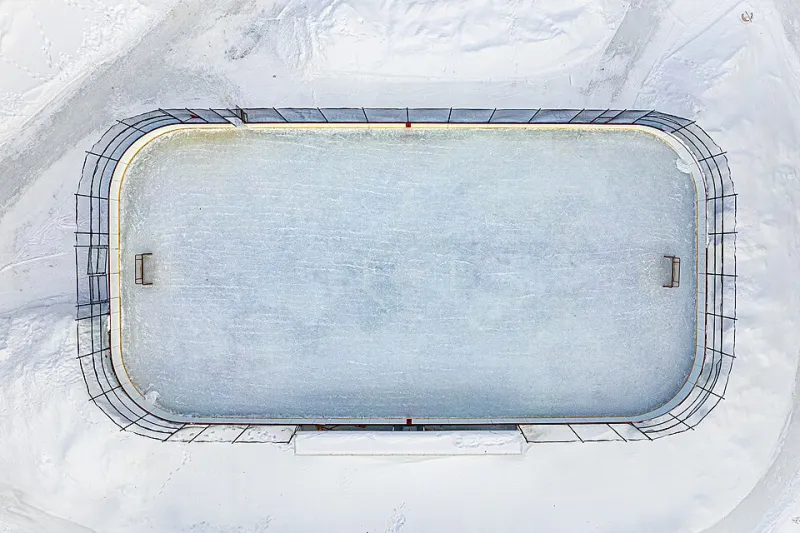
Photo: Gabriel Picard, CC BY-SA 4.0, via Wikimedia Commons
If you asked most Americans where ice skating is thriving, they'd probably name the usual suspects — Minnesota, Michigan, Massachusetts, maybe upstate New York. And sure, those places are still powerhouses. But spend a few months talking to rink operators, regional skating coaches, and facility developers across the country, and a very different picture starts to emerge.
Ice sports are quietly — and in some cases not so quietly — exploding in places nobody really predicted. We're talking about markets in the Deep South, the desert Southwest, and mid-sized cities that didn't even have a public rink a decade ago. The numbers are real, the investment is real, and the community enthusiasm? That part is genuinely something to see.
Why Non-Traditional Markets Are Suddenly on the Map
The short answer is population growth. The Sun Belt migration that accelerated during and after the pandemic brought millions of transplants from traditional ice sports regions into warmer climates. Families from Chicago, Cleveland, and Pittsburgh didn't leave their love of hockey and figure skating at the state line — they brought it with them and started asking where the nearest rink was.
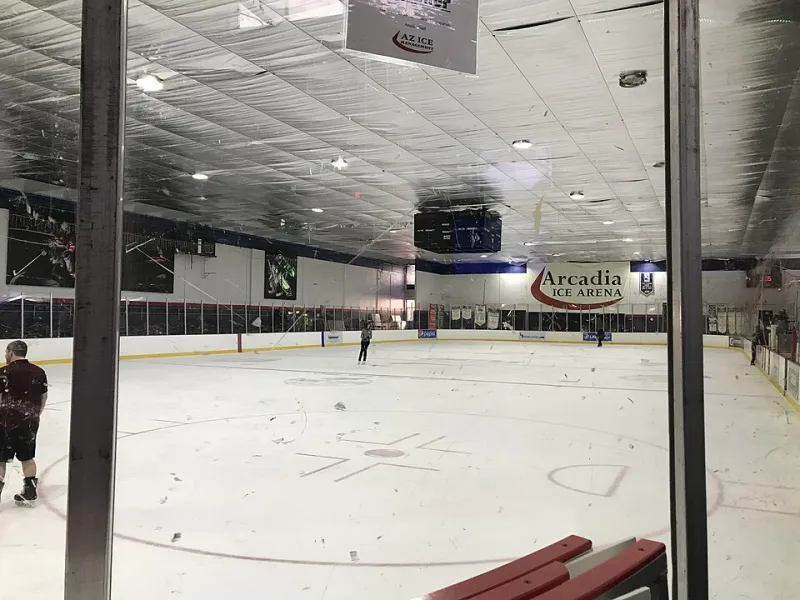
In cities like Nashville, Raleigh, Austin, and Phoenix, that demand met a real estate and development moment. Suburban expansion created opportunities for multi-use entertainment facilities, and ice rinks — which had previously seemed financially risky in warm-weather markets — suddenly looked like smart anchors for mixed-use commercial developments.
"We opened expecting maybe 60 percent of what a traditional market would give us in year one," said one facility operator in the greater Nashville area who has watched membership grow well beyond initial projections. "What we got was a waitlist for learn-to-skate programs within three months. People here are hungry for this."
The Figure Skating Factor
One demographic driving a disproportionate share of this growth? Young girls and their parents, drawn in by figure skating's persistent cultural visibility. The popularity of skating competitions on streaming platforms, combined with social media content from elite skaters, has created a steady pipeline of kids who want to try the sport regardless of where they live.
Facility operators in emerging markets are capitalizing on this hard. Learn-to-skate programs modeled on US Figure Skating's Basic Skills curriculum are filling up in markets from Huntsville, Alabama to Tucson, Arizona. Coaches who were once concentrated in traditional skating hubs are relocating or traveling to serve these new communities.
What's interesting is that figure skating is often the entry point — but it rarely stays the only sport. Rinks that open with a figure skating-forward identity quickly find themselves fielding requests for hockey programs, adult skating leagues, and curling clubs. Ice has a way of multiplying its own audience.
Hockey's Southern Expansion Isn't Slowing Down
The NHL's long-running experiment with Sun Belt franchises — teams in Florida, Texas, Arizona, North Carolina, and Nevada — has had a genuine grassroots effect over time. A generation of kids who grew up watching the Carolina Hurricanes, Vegas Golden Knights, or Florida Panthers are now the parents signing their own children up for mite hockey.
Grassroots hockey participation data from USA Hockey bears this out. Several Southern and Western states have posted consistent year-over-year registration growth that outpaces traditional hockey states on a percentage basis. When you're starting from a smaller base, any real investment in facilities shows up fast in the numbers.
In the Dallas-Fort Worth Metroplex — already home to a surprisingly robust hockey infrastructure thanks to the Stars — newer satellite rinks in exurban communities are reporting full house leagues and oversubscribed youth programs. The infrastructure is still catching up to demand in many of these markets, which creates its own set of challenges.
The Infrastructure Gap — and Who's Closing It
Here's where things get complicated. Traditional ice markets have decades of infrastructure built up — multiple sheets, experienced maintenance staff, established resurfacing schedules, and a local supply chain for equipment and ice services. Emerging markets often have none of that.
New rink operators in non-traditional cities frequently describe a steep learning curve around refrigeration system reliability, staffing with people who actually understand ice maintenance, and building a local community of coaches and officials from scratch. It's not insurmountable, but it's real.
Some of the more successful facility openings in emerging markets have partnered with experienced operators from traditional hockey regions — essentially importing institutional knowledge to pair with local investment capital. Others have leaned heavily on national organizations like US Figure Skating and USA Hockey for programming templates and coach placement support.
"You can build the building," noted one developer involved in a recent multi-sheet facility project in the Southeast, "but the ice culture takes longer. You're building something that didn't exist in that community before."
What's Actually Driving Investment Right Now
Beyond the demographic tailwinds, a few specific factors are making rink development pencil out in markets that would have seemed impractical fifteen years ago.
First, refrigeration technology has gotten meaningfully more efficient and cost-effective, which changes the economics of operating in warm climates where the ambient temperature is working against you year-round.
Second, the entertainment venue model — pairing a skating rink with restaurants, arcade-style attractions, and event spaces — has proven itself in enough markets that investors are more comfortable with the concept. The rink becomes an anchor tenant in an experience-driven commercial development rather than a standalone facility trying to survive on admission and skate rentals alone.
Third, municipal governments in growing cities have started to see ice facilities as quality-of-life amenities that support economic development and community identity. Some markets have offered favorable lease terms on public land or contributed to infrastructure costs as part of broader parks and recreation investments.
What This Means for the Future of Ice Sports
The geographic democratization of ice sports is genuinely good news for the long-term health of skating in America. A sport that was once concentrated in a handful of cold-weather states is developing roots in communities that bring different athletic traditions, different demographics, and different ideas about what ice sports can look like.
It's not without growing pains. Established skating regions have infrastructure advantages that take years to replicate. And there's always a risk that facilities in emerging markets open with a burst of enthusiasm and then struggle to sustain programming if early momentum fades.
But the trend lines are pointing in one direction. Rinks are opening in places that surprised people five years ago, and they're finding audiences. The ice belt, it turns out, is a lot wider than anyone thought.
Keep an eye on your regional spotlight — because the next big story in American ice sports might be coming from somewhere you'd never expect.