Shiny New Rinks, Same Old Ice: Are Facility Upgrades Actually Worth the Price Tag?
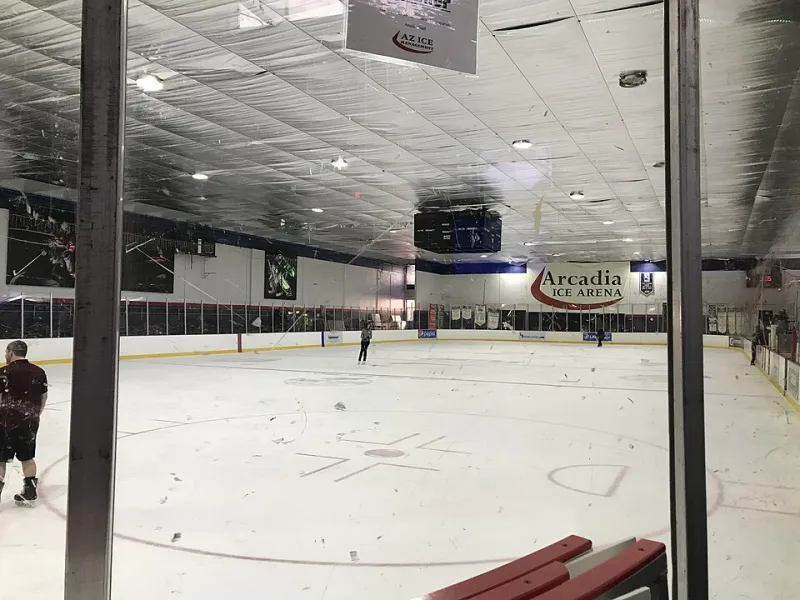
Photo: Kyvuh, CC0, via Wikimedia Commons
Walk into almost any mid-sized ice rink in America right now and there's a decent chance you'll notice something different. Maybe it's the lighting — that cool color-shifting LED setup that pulses to the music during public skate. Maybe it's the freshly installed dasherboard advertising screens flickering at you while you try to nail a crossover. Or maybe it's the new sound system that makes the DJ's playlist feel more like a club than a community rec center.
Rinks are spending money. A lot of money. And whether that's good news or a slow-motion financial disaster depends entirely on who you ask.
The Numbers Don't Lie — Or Do They?
Industry observers have noticed a clear pattern emerging over the past five or six years. Skating facilities — particularly those in mid-size metros and growing suburbs — have been pouring capital into what the trade press likes to call "experiential upgrades." We're talking LED lighting overhauls running anywhere from $80,000 to $250,000. Advanced glycol-based ice-making systems that can cost well north of $500,000 to install. Premium dasherboard systems. Modernized locker rooms. Some rinks have even started installing digital kiosk check-in systems and app-based skate rental tracking.
On paper, it reads like progress. In practice? It's more complicated.
"We spent close to $400,000 on a refrigeration system upgrade three years ago," said the general manager of a regional rink in the Midwest who asked to remain unnamed to speak freely. "Was it necessary? Absolutely — our old system was 30 years old and held together with prayers and duct tape. Did it bring in new skaters? Not noticeably. But we're not bleeding ice quality anymore, so there's that."
That distinction — between necessary upgrades and aspirational ones — is really where this conversation gets interesting.
The Difference Between Fixing and Flexing
There are two very different categories of rink spending happening right now, and conflating them does a disservice to both rink operators and skaters.
The first category is infrastructure. Refrigeration plants, resurfacing equipment, ice monitoring systems, and structural repairs. These aren't glamorous, but they're the backbone of a functioning facility. When a rink skimps here, you end up with soft ice, inconsistent surfaces, and equipment failures that shut down operations for days at a time. Nobody's posting about that on social media.
The second category is experience enhancement. LED lighting rigs, surround-sound audio systems, digital scoreboards, themed skate nights with fog machines — the stuff that looks great in a promotional reel but may or may not translate to actual skater satisfaction or increased revenue.
"The LED thing has become almost universal," said one rink consultant who works with facilities across the Southeast and Mid-Atlantic. "And honestly, for public skate sessions, it genuinely does improve the atmosphere. People respond to it. But I've also seen rinks install $150,000 sound systems in facilities that are still running 1990s Zambonis. That's a priorities problem."
What Skaters Actually Say
We asked around — at open skate sessions, through online skating communities, and in a few rink parking lots — and the feedback was pretty consistent. Skaters notice ice quality above almost everything else.
"I don't care if the lights are pretty," said a recreational skater from the Dallas area who's been hitting her local rink for about eight years. "If the ice is choppy and full of ruts by 7 PM, I'm not coming back. Fix the resurfacing schedule before you install a light show."
That sentiment echoed across age groups and experience levels. Competitive figure skaters were even more direct — they want smooth, consistent ice, reliable locker room facilities, and scheduling that doesn't constantly bump them for hockey leagues. A new Bluetooth speaker array doesn't register as a meaningful improvement in their world.
That said, some upgrades genuinely do land well. Modernized skate rental systems — especially ones with better boot options and actual sizing infrastructure — got consistent praise. So did improved seating areas for parents and spectators, and updated restrooms. Comfort and function win over flash, basically every time.
The Overhead Trap
Here's the part that should concern anyone who loves their local rink: some of these upgrades come with ongoing costs that facilities haven't fully thought through.
Advanced LED systems require specialized maintenance and eventual component replacement. High-end sound systems need technical support contracts. Smart ice-monitoring software runs on subscription models. Add it all up over five to ten years, and a facility that felt like it was investing in itself might actually be building a debt structure it can't sustain — especially if membership numbers or public skate attendance don't grow to match.
"The financing pitch sounds great in year one," the Midwest GM told us. "Low monthly payments, upgrade now, pay later. But ice rinks operate on thin margins in the best of times. You take on enough of those 'affordable' payment plans and suddenly you're underwater."
This is particularly acute for publicly operated rinks — municipal facilities run by parks and rec departments — which often face political pressure to modernize without the revenue flexibility of private operators.
So What Actually Makes Sense?
If you're a rink operator reading this, the framework is pretty simple even if the execution isn't: prioritize what affects ice quality and skater safety first, always. Refrigeration, resurfacing, ice monitoring — these are non-negotiables. After that, look at what genuinely improves the experience for your core audience. Better seating? Probably yes. Upgraded rental boots? Absolutely. A fog machine for Saturday night public skate? Maybe, if the budget is genuinely healthy.
And if you're a skater? Pay attention to where your rink is spending money. A facility that's investing in its ice plant and its instructional programs is one that's thinking long-term. A facility that's repainting the lobby and installing a new logo wall while the resurfacer keeps breaking down? That's a rink that might be more interested in looking successful than actually being sustainable.
The best rinks in America — the ones that have been around for decades and will be around for decades more — tend to look a little unglamorous from the outside. The ice is good. The staff knows your name. The lessons program is solid. The boards are a little banged up, sure, but the refrigeration plant hums along quietly and the resurfacer runs like clockwork.
That's not a rink that needs a lighting upgrade. That's a rink that's already figured it out.