Hometown Ice Wars: How Club Rivalries Are Fueling the Next Wave of American Skating Talent
Photo: Christophe95, CC BY-SA 4.0, via Wikimedia Commons
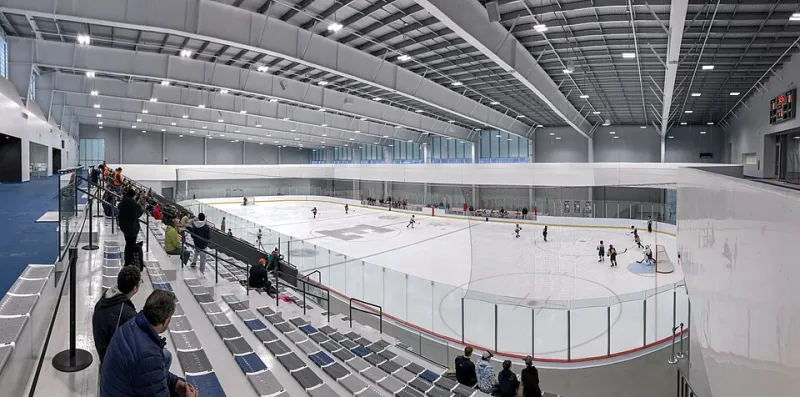
There's a particular kind of energy that fills an ice rink on tournament day. The smell of fresh Zamboni ice, the buzz of parents clutching coffee cups in the bleachers, the nervous chatter of kids lacing up in locker rooms — it's a scene playing out in rinks from Anchorage to Atlanta, and it's happening more often than you might think.
Competitive club culture at the local rink level has been quietly building momentum for years. And right now, it might be one of the most underappreciated stories in American ice sports.
More Than Just Bragging Rights
When people talk about ice skating competition, the conversation usually jumps straight to the Olympics or the NHL. But the real action — the kind that actually shapes careers and builds communities — is happening at the grassroots level, in regional club matchups and inter-rink tournaments that rarely make the national news.
These rivalries matter for reasons that go well beyond trophies. For facilities, a thriving competitive club program is often the difference between a rink that struggles through the off-season and one that's booked solid year-round. Club teams mean recurring membership fees, consistent ice time purchases, and a built-in audience for events. That's not nothing when you're trying to cover the cost of refrigeration equipment and staff.
For skaters — especially younger ones — the stakes feel very real. Competing against a rival rink from the next town over has a way of sharpening focus that no practice drill can replicate.
What's Driving the Trend
A few things have converged to make this moment particularly fertile for club competition culture.
First, there's the post-pandemic bounce-back. After years of restricted programming and shuttered facilities, rinks across the country have been eager to rebuild their member bases. Competitive clubs offer a structured, community-driven way to do exactly that. Parents who were looking for activities for their kids during lockdowns discovered skating — and some of those families stuck around, hungry for something more organized than weekend public sessions.
Second, youth sports culture in the US has shifted. Families increasingly expect a pathway from recreational participation to competitive development, even at the local level. Ice sports are no exception. Rinks that can offer a clear progression — from learn-to-skate classes to club teams to regional competition — are finding it much easier to retain skaters as they improve.
Third, social media has given these rivalries a visibility boost they never had before. A highlight reel from a local hockey tournament or a figure skating competition clip can rack up thousands of views when proud parents and coaches share it. That kind of organic promotion is worth more than most rinks' entire marketing budgets.
Regional Hotbeds Worth Watching
Certain parts of the country are particularly deep in this trend right now.
The Upper Midwest — Minnesota, Wisconsin, Michigan — has always had a strong hockey culture, but what's newer is the way figure skating and speed skating clubs in those same markets are starting to mirror the competitive infrastructure that hockey built decades ago. Rinks in the Minneapolis-St. Paul metro area, for instance, are hosting multi-club invitational events that draw participants from across the region, filling stands and generating real local buzz.
In the Northeast, particularly in New England, inter-rink figure skating competitions have developed almost a small-town sports rivalry feel. Facilities in Connecticut and Massachusetts have cultivated club identities so distinct that competing against a neighboring rink carries genuine emotional weight for athletes and their families.
Out West, the Pacific Northwest is seeing something interesting: newer rinks that lack decades of established tradition are building competitive programs almost from scratch, using tournament hosting as a way to put themselves on the map fast. It's a smart play — host a well-run event, and you earn credibility and visibility with the skating community in a way that takes years to build through word of mouth alone.
The Economics of Competition
Let's talk money for a second, because this is where the story gets really interesting for rink operators.
Hosting a tournament is a significant undertaking. Ice time has to be blocked, officials need to be paid, and the logistics of running a multi-team event require real organizational capacity. But the financial upside can be substantial. Tournament weekends drive concession sales, skate rental revenue from spectators, and often fill nearby hotels and restaurants — which builds goodwill with local business communities that can translate into sponsorship support.
Club memberships themselves are a revenue stabilizer that many rink managers have come to rely on. A skater enrolled in a competitive club program is spending money on ice time, coaching, equipment, and registration fees — often year-round. Compare that to the casual public skater who shows up a few times in December and disappears until next winter. The math is pretty clear.
Some facilities have gotten creative about layering competition culture into their broader programming. They'll run internal "club challenge" events between their own skating groups before stepping up to inter-rink competition, giving newer skaters a lower-stakes entry point into the competitive experience. It keeps more athletes engaged and builds the talent pipeline that makes external competitions viable.
What It Means for Young Athletes
Ask any coach who's worked at the local rink level for a while, and they'll tell you the same thing: competition changes kids. Not always in the ways you'd expect.
Yes, it pushes skaters to train harder and take their technique more seriously. But it also teaches them how to handle pressure, how to lose gracefully, and how to be part of something bigger than their individual performance. Those are lessons that stick well beyond the skating years.
The rivalry element adds an extra layer. When a skater knows they're representing their rink — their community — against a neighboring facility, there's a sense of identity and belonging that pure recreational skating rarely provides. That's powerful stuff for a kid figuring out who they are.
For some of these young athletes, local club competition is also genuinely the first step toward something bigger. Scouts and coaches from regional and national programs do pay attention to well-run local tournaments. The pipeline from neighborhood rink to higher-level competition is real, even if it's not always well-publicized.
The Bottom Line
Local rinks have always been more than just places to skate. They're community institutions, gathering spots, and in many cases, the beating heart of a neighborhood's recreational identity. Competitive club culture is amplifying all of that.
The rinks that are leaning into rivalry — building club programs, hosting events, nurturing that hometown pride — aren't just developing better athletes. They're building more resilient facilities and stronger communities in the process.
And honestly? The tournaments are just really fun to watch. So if your local rink has one coming up, do yourself a favor and go. Grab a hot chocolate from the concession stand, find a spot in the bleachers, and soak it in. You might be watching the next generation of American ice sports talent take their first competitive steps.
That's worth showing up for.