Cold Floors, Warm Economies: How Neighborhood Ice Rinks Are Quietly Saving Downtown America
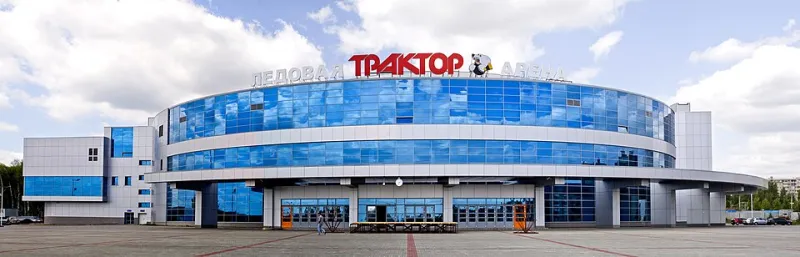
Photo: Sergey Ksen, CC BY 2.0, via Wikimedia Commons
Not long ago, the downtown core of Johnstown, Pennsylvania looked like a lot of mid-sized American cities trying to outrun their industrial past. Vacant storefronts. Sparse foot traffic on weekday afternoons. The kind of quiet that makes a mayor nervous. Then a renovated ice facility opened two blocks from the old main commercial strip — and something unexpected happened.
People started showing up. Then staying. Then spending.
It sounds almost too simple, but urban economists and local officials are increasingly pointing to ice skating venues as one of the more surprising catalysts in the broader story of small-city revitalization. Not sports arenas. Not mega-developments. Just rinks — the kind where kids take Saturday morning lessons and adults wobble through public sessions on Friday nights.
What Makes a Rink Different From Other Anchors
Shopping malls were supposed to be the great anchor of American retail life, and we all know how that story ended. Movie theaters, bowling alleys, and big-box stores have served similar roles with similarly uneven results. So why are ice facilities generating genuine buzz among economic development circles?
The answer comes down to a few things that rinks do unusually well.
First, they draw repeat visitors on predictable schedules. A family enrolled in learn-to-skate programming shows up every Saturday for eight weeks straight. A hockey league runs Tuesday and Thursday nights from October through March. That kind of consistent, scheduled traffic is gold for neighboring businesses trying to plan staffing and inventory.
Second, ice skating tends to attract a genuinely mixed demographic. A well-run rink on any given weekend might host a birthday party for a seven-year-old, an adult hockey pickup game, a teen open skate, and a seniors fitness session — all in the same building. That breadth of audience spills out onto surrounding streets in ways that a single-demographic venue simply can't replicate.
Third — and this one gets overlooked — rinks create what planners call "dwell time." Skating sessions last 90 minutes to two hours. Parents watching from the lobby need somewhere to sit, something to eat, something to do. That need doesn't always get met inside the rink itself, which means it gets met by whatever's nearby.
Case Study: When the Zamboni Became a Development Tool
In Danville, Virginia, a city that spent decades navigating the decline of its tobacco and textile industries, a public-private partnership brought a renovated ice facility into a repurposed warehouse near the old downtown corridor. Within 18 months of opening, three new food-and-beverage businesses had opened within a three-block radius. A local coffee roaster specifically cited the rink's morning adult skate sessions as the reason they chose that particular corner for their second location.
City officials in Danville weren't shy about connecting the dots. "We'd tried retail incentives, façade grants, all the usual tools," one economic development staffer told a regional planning publication. "The rink gave people a reason to come downtown that didn't feel like charity. It felt like fun."
That distinction — fun versus obligation — matters enormously. Economic development efforts that ask residents to shop local out of civic duty have a ceiling. Efforts that give people something genuinely enjoyable to do tend to sustain themselves.
The Complementary Business Effect
Talk to restaurant owners near thriving downtown rinks and you'll hear a consistent pattern. Pre-skate dinners. Post-skate hot chocolates and burgers. Birthday party overflow looking for somewhere to continue the celebration. Hockey parents who get there early and need to kill an hour.
In Fond du Lac, Wisconsin — a smaller city on Lake Winnebago that invested in upgrading its downtown rink infrastructure — local restaurant owners formed an informal coalition with the rink to cross-promote programming. The rink would advertise nearby dining options in its lobby; restaurants offered small discounts to customers showing a skate rental receipt. It cost almost nothing to implement and created a feedback loop of mutual benefit that neither party could have generated alone.
Retail sees similar effects, though the connection is sometimes less direct. Sporting goods stores, skate shops, and apparel retailers near active rinks report that the facility's presence creates a kind of year-round awareness for their category. Even in summer, people who skated at the downtown rink in January are more likely to walk past a hockey equipment display and feel something click.
What Conditions Make This Work
Not every rink becomes a downtown anchor, and it would be misleading to suggest otherwise. There are real prerequisites for the transformation to take hold.
Location is non-negotiable. A rink tucked into a suburban strip mall doesn't generate the same spillover effect as one sitting at a walkable intersection with existing foot traffic infrastructure. The rinks that spark broader revitalization are almost always close enough to other businesses that a skater can reasonably walk to dinner before or after their session.
Programming depth matters. A facility that runs two public skate sessions a week and nothing else isn't generating enough consistent traffic to anchor an ecosystem. The rinks that work as economic catalysts tend to run full calendars — youth lessons, adult leagues, figure skating clubs, holiday events, birthday packages — across as many hours as the ice can support.
Community ownership helps enormously. Whether it's a municipally operated facility, a nonprofit, or a private operator with deep local roots, rinks that feel like they belong to the community rather than exist above it tend to generate more organic loyalty. People defend what they feel is theirs. They bring their friends. They tell out-of-towners to check it out.
Patience from city leadership. The economic ripple from a new or renovated rink typically takes 18 to 36 months to become visible in commercial activity data. Cities that pull the plug on support too early — or fail to make complementary investments in sidewalks, lighting, and parking — often leave value on the table.
The Bigger Picture
It would be easy to oversell this. Ice rinks aren't going to single-handedly reverse decades of deindustrialization or solve the structural challenges facing small American cities. They're not magic.
But they are something rare in the economic development toolkit: a facility that generates genuine community joy while simultaneously creating conditions for broader commercial activity. In a landscape where so many revitalization strategies feel clinical or transactional, that combination is worth paying attention to.
The cities that are figuring this out aren't following a master plan handed down from a consulting firm. They're watching what actually draws people together — what makes residents feel proud of where they live — and investing in that. Sometimes it turns out the answer involves a Zamboni and a pair of rental skates.
Not a bad foundation for a comeback story.