Skating Through the Pain: The Hidden Injury Crisis Happening at Rinks Across America
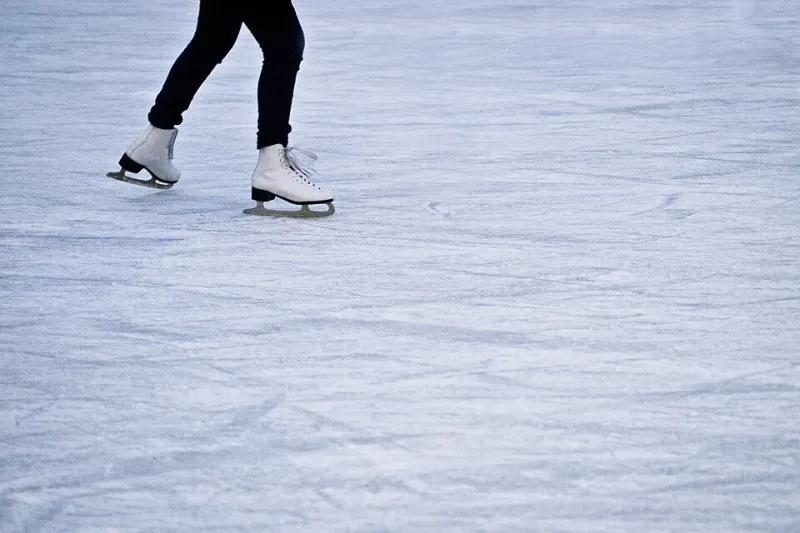
Photo: Benson Kua from Toronto, Canada, CC BY-SA 2.0, via Wikimedia Commons
There's an unwritten rule at a lot of ice rinks in this country: you don't talk about pain. You tape it up, lace your boots tighter, and get back out on the ice. For competitive figure skaters especially, admitting that something hurts can feel like admitting weakness — or worse, giving a coach a reason to cut your ice time.
But that culture of silence is quietly building into something a lot more serious. Chronic injuries specific to ice sports are going underdiagnosed at an alarming rate, and many rink facilities simply don't have the infrastructure — or the protocols — to catch the warning signs before real damage is done.
Let's talk about what's actually happening out there.
The Injuries Nobody Warns You About
Most people think of ice skating injuries as the dramatic stuff — a bad fall, a collision, a broken wrist from catching yourself on the boards. And yes, those happen. But the injuries doing the most long-term damage are often the ones that sneak up quietly over weeks and months.
Stress fractures are a prime example. They're especially common in young skaters whose bones are still developing, and they're notoriously easy to miss. A stress fracture in the foot or ankle can feel like general soreness for a long time before it becomes sharp enough to stop someone in their tracks. By the time a skater (or their parent) decides it's worth mentioning, the damage has often progressed significantly.
Lace bite — a form of irritation and nerve compression caused by poorly fitted or over-tightened boots — is another chronic issue that gets brushed off constantly. Left unaddressed, it can cause lasting nerve damage around the front of the ankle.
Then there's the whole category of repetitive strain injuries: tendinitis in the Achilles and patellar tendons, hip flexor strain from repeated jump landings, and lower back compression from spin positions. These are the bread and butter of serious skaters, and they're treated like badges of honor far too often.
Why Skaters Stay Quiet
The culture around pain in ice sports is deeply ingrained. Coaches — even well-meaning ones — often push through injury complaints because rink time is expensive and competition schedules are unforgiving. Skaters internalize the message early: pain is part of the process.
For younger athletes, there's an added layer of complexity. Kids want to please their coaches and parents. They don't want to let anyone down or lose their spot on a team. So they minimize what they're feeling, or they don't mention it at all until something forces the issue.
Parents, for their part, often don't know what to look for. A kid who's limping slightly after practice might just be tired, right? Or maybe it's something that needs attention yesterday. Without guidance from rink staff or coaches on what warning signs actually look like, a lot of families are making those judgment calls in the dark.
What Most Rinks Are (and Aren't) Doing
Here's the uncomfortable truth: the majority of recreational and community ice rinks in the US don't have any formal injury reporting system. There's no intake process when a skater gets hurt during a lesson, no follow-up protocol, and definitely no on-site medical professional checking in during busy public sessions.
That's not necessarily a knock on rink management — running an ice facility is expensive and complicated, and adding a sports medicine component isn't realistic for most operations. But the gap is real. When a skater tweaks something during a lesson, the standard response is often just "sit out for a bit and see how it feels."
Some larger rinks and training centers affiliated with competitive programs do better. They'll have relationships with local sports medicine clinics, or at least a coach on staff who's been trained to recognize concerning movement patterns. But that's the exception, not the rule.
The Warning Signs Worth Taking Seriously
Whether you're a parent watching from the bleachers or a skater lacing up yourself, here are some things that should prompt a real conversation — not just a shrug:
- Pain that persists more than a few days after skating, especially in the feet, ankles, shins, or knees
- Swelling that keeps coming back in the same spot after sessions
- A change in how someone lands jumps or steps — favoring one side, shortening stride, or hesitating on certain moves
- Complaints about numbness or tingling in the feet or lower legs
- A skater who suddenly seems reluctant to practice or who makes excuses to skip ice time — pain avoidance is real
None of these are automatic emergencies, but all of them deserve attention from someone with actual medical knowledge, not just a coach's gut feeling.
What Rinks Could Actually Do Better
This isn't about blaming facilities — it's about identifying realistic improvements that could make a genuine difference.
For starters, basic injury reporting would go a long way. If a skater gets hurt during a lesson or public session, there should be a simple log that captures what happened, what body part was affected, and what action was taken. That creates accountability and helps identify patterns over time.
Rinks could also build relationships with local sports medicine providers and make that information visible to skaters and families. A simple flyer in the lobby pointing to a nearby clinic that specializes in sports injuries — specifically one familiar with skating mechanics — is a low-cost, high-value resource.
Coach education is another piece of this. Rink directors and learn-to-skate coordinators should be encouraging their instructors to complete basic sports first aid training and to understand the most common overuse injuries in ice sports. USA Figure Skating and US Figure Skating clubs often have resources available — it's a matter of making them a priority.
And honestly, changing the conversation around pain starts at the top. When rink culture normalizes pushing through injury, skaters follow that lead. When coaches and instructors model a different approach — one that treats injury acknowledgment as smart, not soft — the whole environment shifts.
The Bottom Line
Ice skating is a beautiful, demanding sport, and the people who pursue it seriously put an enormous amount of physical stress on their bodies. That's not going to change. But the way rinks, coaches, and families respond to injury signals absolutely can.
If you're a skater who's been quietly dealing with something that hurts, please don't wait for it to get bad enough that you can't ignore it anymore. Talk to a sports medicine professional who understands skating mechanics — not just a general practitioner who's going to tell you to rest and ice it.
And if you're a parent or a rink operator reading this: the culture starts with you. Creating a space where skaters feel safe saying "something's wrong" might be the most important thing you can do for the athletes in your building.