Welcome to the Rink: Understanding the Unwritten Social Rules of Ice Sports Culture
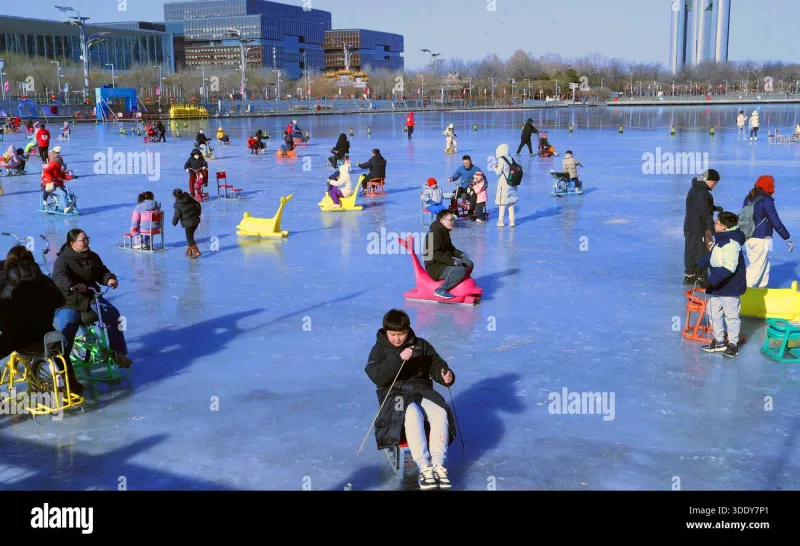
Photo: ice rink parents spectators bleachers watching youth skating, via c8.alamy.com
Walk into any ice rink in America and you'll feel it before you can explain it. There's a particular energy humming under the cold air — part competition, part camaraderie, part something harder to name. The parents in the bleachers seem to know each other too well. The kids on the ice move in patterns that look almost choreographed even during free skate. And somewhere in the back hallway near the vending machines, a conversation is happening that has clearly been going on for years.
Ice sports communities are genuinely unlike anything else in youth athletics. If you're coming in fresh — maybe your daughter just signed up for her first Learn to Skate class, or your son got called up to a travel hockey team — understanding how this world works socially can be just as important as knowing the rules of the sport itself.
It's Not Like Soccer, and It's Definitely Not Like Baseball
Most recreational youth sports have a fairly predictable social structure. Families show up for an hour or two on weekends, cheer, grab snacks, and head home. The friendships are real but often seasonal. The investment is relatively contained.
Ice sports don't work that way. Rink schedules tend to be intense and irregular — early morning practices, late-night open skates, weekend tournaments that eat entire Saturdays and Sundays. When you're spending that much time in the same cold building with the same group of people, bonds form fast and run deep. So do tensions.
The sheer cost of participation also changes the social math. Hockey gear alone can run into the thousands. Figure skating dresses, coaching fees, and competition entry costs stack up quickly. When families are making real financial sacrifices to keep their kids on the ice, the emotional stakes of every practice session, every competition placement, and every coach interaction go up considerably. That investment creates intensity — and intensity shapes community.
The Factions You'll Encounter
Every rink has its own distinct social ecosystem, but there are a few recurring groups you'll find almost anywhere in the country.
The Figure Skating Families tend to operate in tight clusters organized around which coach their skater works with. Coaches at serious skating clubs often function almost like team captains for a group of families — setting the schedule, guiding competition choices, and becoming deeply embedded in family life over years of training. Loyalty to a coach is real, and switching coaches can feel — to onlookers and sometimes to participants — like a small social earthquake.
Hockey Parents have a reputation that's sometimes deserved and sometimes wildly exaggerated. Yes, the hockey bleachers can get loud. Yes, there are parents who take a 10-year-old's travel schedule way too seriously. But the hockey community also produces some of the tightest multi-year friendships you'll find in any sport, built around car pools, hotel lobbies at tournaments, and the particular shared suffering of 5 a.m. ice times in January.
Recreational and Adult Skaters often form their own quieter subculture — the speedskaters training laps during open ice, the adult hockey league regulars who've been playing together for a decade, the figure skaters who compete as adults on the side. These folks tend to be a bit more relaxed about the whole thing, and they can be a genuinely welcoming entry point for newcomers trying to find their footing socially.
The Hierarchy Is Real, But It's More Complicated Than You Think
There is absolutely a social hierarchy at most rinks. Denying it doesn't help anyone. The skaters who've been there longest, who compete at higher levels, or whose parents have served on the board for years — they carry a kind of informal authority. Their opinions on coaches, ice time allocation, and club decisions carry weight.
But here's what's easy to miss from the outside: the hierarchy isn't purely about athletic achievement. It's also about how much you contribute. The mom who coordinates the fundraiser, the dad who volunteers to run the scoreboard at every home game, the adult skater who mentors beginners during public sessions — these people earn real standing in rink culture, regardless of whether their kid is a competitive star.
If you want to find your place in a new rink community, showing up consistently and being genuinely useful matters more than most newcomers expect.
The Competitive-Collaborative Tension
One of the genuinely fascinating things about ice sports culture is how competition and collaboration coexist in ways that seem contradictory from the outside. Figure skaters who are literally competing against each other at a regional competition will spend the warm-up sharing hairpins and calming each other's nerves. Hockey players who are fierce rivals on the ice during league play will show up to cheer for each other at a tournament against a team from another region.
This isn't fake sportsmanship. It comes from the fact that rink communities are small and insular in a way that most other sports communities aren't. When you share ice time with someone for years, when your kids grow up skating alongside each other, the competitive relationship gets layered over a genuine human one. The result is a social dynamic that can feel confusing to newcomers but is actually one of the most appealing things about ice sports once you understand it.
What New Families Actually Need to Know
If you're just getting started in rink life, a few practical things will smooth the transition considerably.
Don't try to figure out the whole social map immediately. These relationships have history you're not privy to yet. Just be friendly, be consistent, and let things develop naturally over time.
Ask questions, but read the room. Most experienced rink families love talking about the sport and are happy to help newcomers. But a tournament warm-up is not the time to ask a skating parent to explain competition scoring. Find the quieter moments.
Volunteer early. Whatever the rink or club asks for — help at a bake sale, a few hours at the front table during a competition, assisting with a fundraiser — say yes when you can. It signals that you're a participant in the community, not just a consumer of it.
Give it a full season before you form strong opinions. Rink culture has rhythms that take time to understand. What looks like cliquishness in October often looks like deep, earned friendship by March.
The Cold Air Keeps People Honest
There's something about the rink environment that strips away pretense in a way that outdoor recreational spaces don't quite manage. Maybe it's the cold. Maybe it's the shared absurdity of waking up before sunrise to watch your kid do crossovers. Maybe it's the fact that everyone is slightly uncomfortable in the bleachers and that shared discomfort builds bonds.
Whatever the reason, the friendships that form inside ice facilities tend to be genuine and durable. The social dynamics can feel intense at first, and yes, there are politics in any community — rinks included. But once you understand the logic of how these communities work, you'll find that ice sports culture has a warmth to it that's hard to find anywhere else.
And eventually, you'll be the one in the bleachers who seems to know everyone. It just takes a season or two of showing up.